Strategic Executive Summary for Global Buyers
As the global market for electric vehicles accelerates, lithium-ion battery packs manufactured between 2018 and 2023 are reaching their critical first-life inflection point (80% State of Health). EV lithium battery refurbishment has shifted from an emerging aftermarket alternative to a core B2B asset-management strategy. By replacing individual failed cells, recalibrating Battery Management System (BMS) EEPROMs, and restoring thermal cooling channels, certified remanufacturers can return high-voltage packs to 92%+ nominal capacity at 40% to 60% lower costs than purchasing new OEM traction batteries.
1. The Engineering & Economic Principles of EV Lithium Battery Refurbishment
Electric vehicle traction batteries do not degrade uniformly. In a standard 400V or 800V high-voltage battery architecture consisting of hundreds of prismatic, pouch, or cylindrical cells connected in series-parallel configurations, pack failure is often triggered by capacity drift or thermal impedance spikes in less than 5% of total cells. Treating an entire degraded pack as scrap represents a severe economic waste and carbon burden.
Industrial-grade EV lithium battery refurbishment is the precise process of non-destructive teardown, electrochemical diagnostic profiling, module-level laser re-welding, and firmware recalibration. This process restores the pack to operational parameters matching or exceeding original factory standards.
| Lifecycle Pathway | Core Process | Target SOH Output | Cost Factor vs. OEM | Typical Application |
|---|---|---|---|---|
| Cell-Level Refurbishment | Isolation of bad cells, impedance balancing, micro-laser welding | 90% – 96% SOH | 35% – 45% | Direct EV Fleet Replacement |
| Module Remanufacturing | Replacement of entire module blocks (e.g., CATL 355/390 modules) | 85% – 92% SOH | 50% – 60% | Commercial EV & Bus Fleets |
| Second-Life Repowering | Re-configuration for stationary energy storage (ESS) systems | 70% – 80% SOH | 25% – 35% | Solar Storage / Microgrids |
| Hydrometallurgical Recycling | Chemical destruction to extract Lithium, Cobalt, Nickel | N/A (Raw Materials) | Variable Yield | Cathode Precursor Raw Supply |
For international buyers importing EVs or managing commercial fleets across the Middle East, Africa, and Eastern Europe, mastering refurbished battery supply chains is critical. It provides immediate immunity to OEM battery backorders and significant tariff inflation.
2. Step-by-Step Technical Protocol: How High-Voltage Packs are Remanufactured
At New Energy EV’s specialized technical center in 15 May City, Cairo, high-voltage battery refurbishment adheres to strict industrial protocols (conforming to IEC 62619, UN 38.3, and ISO 6469-1 safety standards):
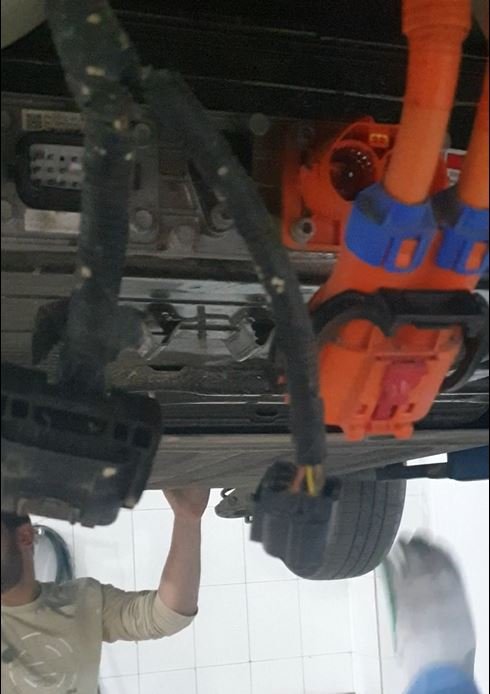
Technical Focus: High-Precision Electrochemical Diagnostic Testing
Every incoming pack undergoes non-destructive Electrochemical Impedance Spectroscopy (EIS), thermal imaging under 1.5C load profiles, and CAN-bus diagnostic logging to map voltage variance across all internal cell blocks down to 0.001V accuracy.
Phase 1: Automated Triage & Electrochemical Profiling
Before mechanical disassembly, the battery pack undergoes deep diagnostic interrogations via specialized OBD-II/CAN protocols. Electrochemical Impedance Spectroscopy (EIS) measures internal resistance (AC milliohms) across dynamic frequency spectrums. This pinpoint-locates lithium plating, dendrite growth risks, or electrolyte dry-out within specific cell groups.
Phase 2: Safe De-Energization & Modular Teardown
Technicians certified under Class-4 High Voltage protocols isolate the manual service disconnect (MSD) and discharge residual energy in target modules down to a safe state-of-charge (SoC 20%). The structural enclosure is unsealed, coolant lines are pressure-tested for ethylene-glycol leaks, and busbars are disconnected using insulated pneumatic tools.
Phase 3: Cell Sorting, Laser Dismantling & Replacement
Sub-standard cells exhibiting more than 3% capacity divergence or elevated DC internal resistance (DCIR) are cut out using precision laser de-welding equipment. High-precision matched lithium-ion cells—matched precisely in amp-hour (Ah) capacity, voltage curve, and internal impedance—are inserted and secured via fiber-laser spot welders to ensure ultra-low thermal dissipation at high current draws (up to 300A continuous discharge).
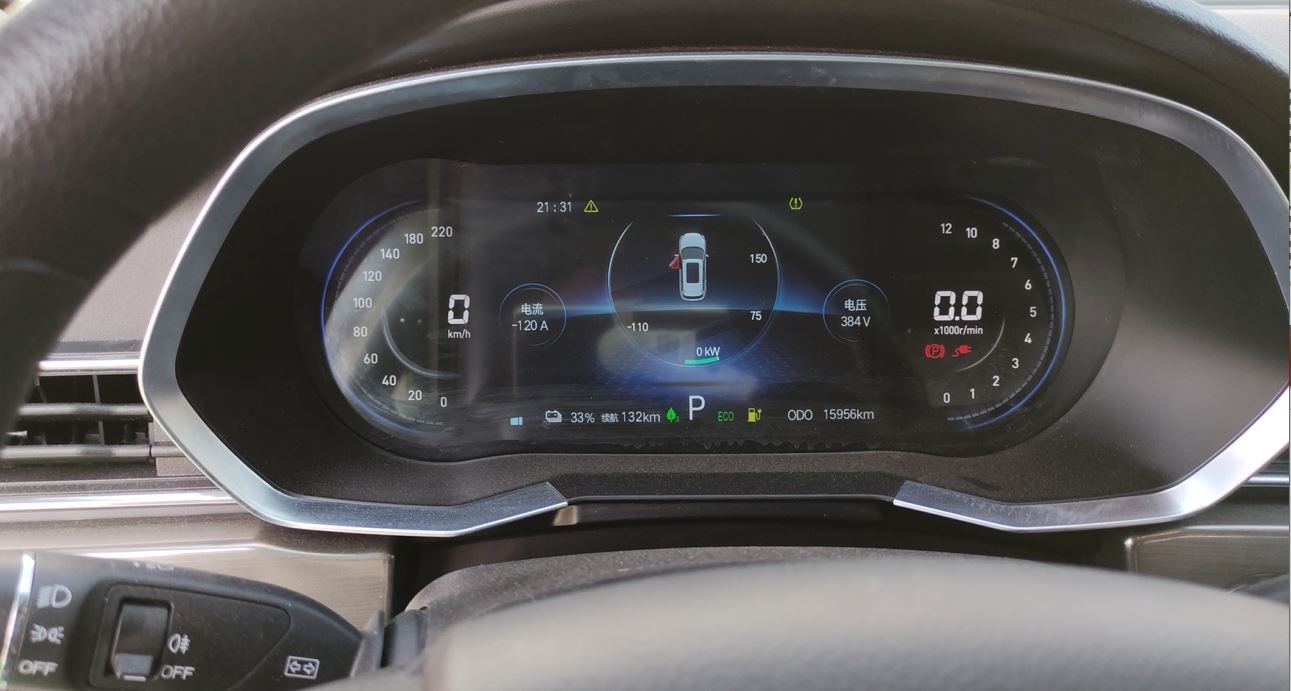
Technical Focus: Module Balancing & Laser Busbar Welding
Our certified engineering team executing high-voltage module balancing, replacement of degraded cell units, and thermal gel re-application on European and Chinese EV battery architectures.
Phase 4: Active BMS Calibration & EEPROM Flashing
Hardware repairs are useless without software synchronization. Factory BMS controllers store historical cycle counts, degradation maps, and state-of-health flags. Using specialized proprietary software suite routines, technicians re-flash the BMS EEPROM, clearing historic fault codes (DTCs), re-calibrating the SoC/SoH algorithms, and performing active equalization across all serial cell strings.
Phase 5: IP67 Enclosure Resealing & Thermal Runaway Stress Tests
The pack is reassembled with new thermal conductive gap fillers (TIM) and pressure-tested for IP67 liquid ingress protection. Finally, the pack is placed on a automated 100kW regenerative battery cycler to undergo two full charge-discharge cycles under simulated highway climbing loads, ensuring thermal stability below 45°C.
3. Top Refurbished EV Lithium Battery Assemblies & Platform Solutions
For global procurement managers, understanding which vehicle platforms offer high modularity for refurbishment is key to optimizing total cost of ownership (TCO). Below are the primary refurbished battery systems provided and serviced by New Energy EV:
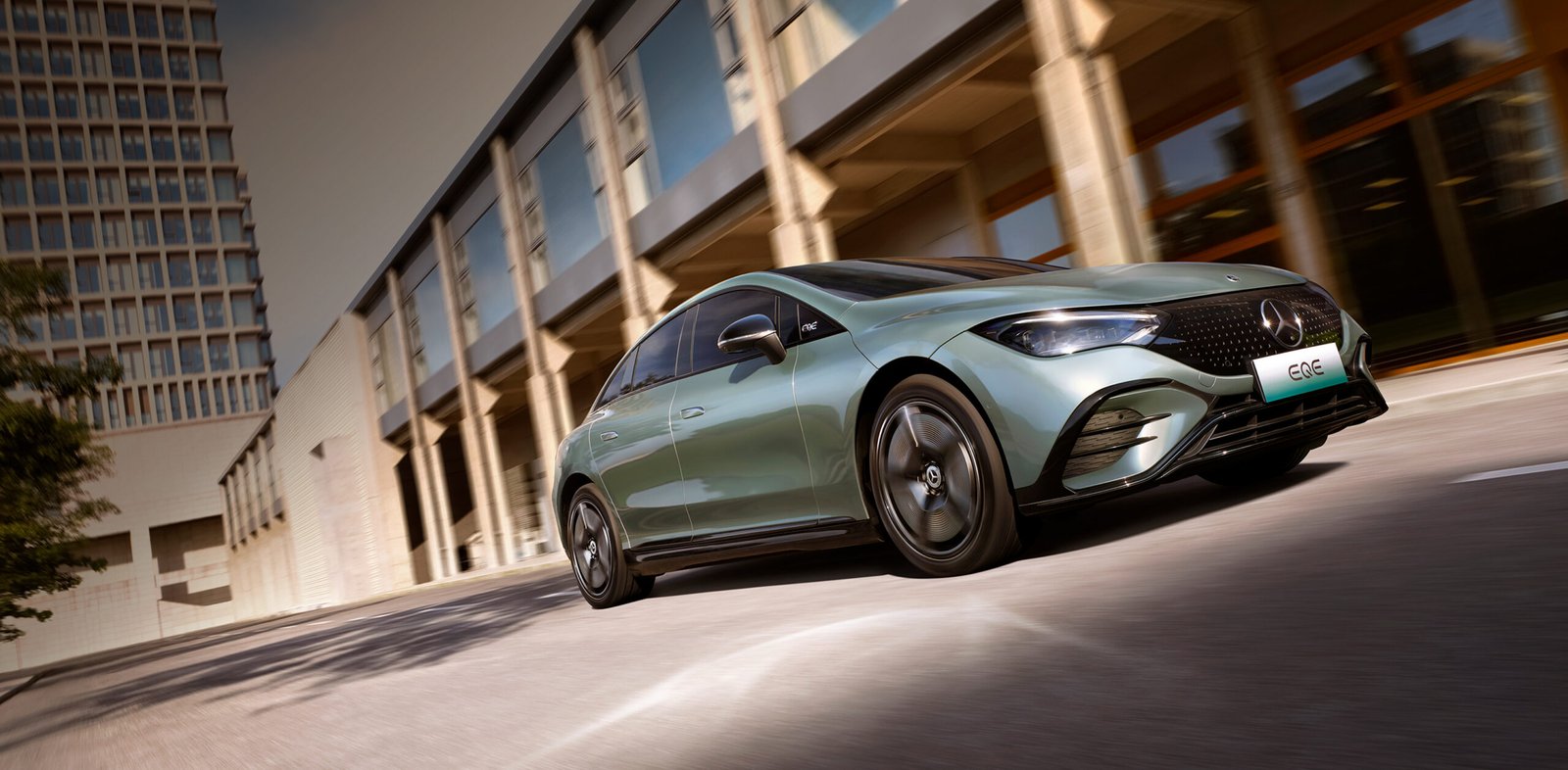
High-voltage 90.6 kWh NCM 811 cell-module reconditioning for Mercedes EQE & EQS. Features deep CAN-bus diagnostic clearing, cell balancing, and European protocol charging validation.

Cell-to-Pack (CTP) structural LFP blade diagnostics, structural adhesive peeling, individual blade cell replacement, and specialized BYD Han/Tang BMS recalibration.

Ultra-fast charging 800V silicon-carbide compatible battery module refurbishment. High-C-rate cell matching for Zeekr 7X, 001, and 009 platforms.
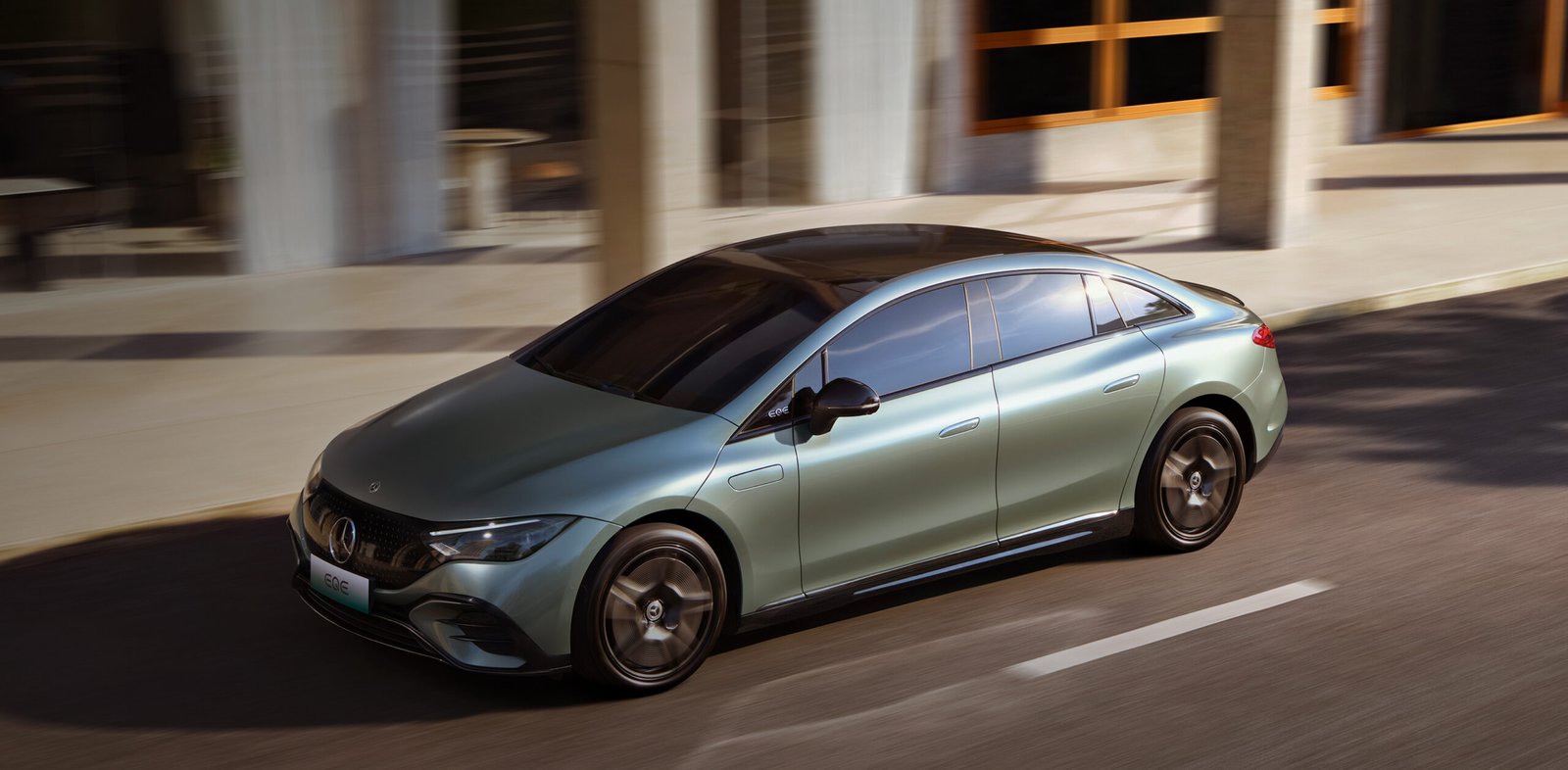
Universal lithium-ion modules used across multiple European and Asian EV platforms. Fully pressure-tested, re-capped, and balanced for immediate bulk export.
4. Global EV Procurement Trends: Why B2B Buyers are Shifting to Refurbished Lithium Batteries (2025–2030)
The global EV supply chain is transitioning from linear consumption to a closed-loop circular economy. B2B buyers, logistics operators, and EV importers are modifying their procurement models due to four major macro trends:
A. The Regulatory Impact of the EU Battery Passport & ESG Directives
Under strict regulations such as the EU Battery Regulation (2023/1542), commercial entities operating in or exporting to European and Mediterranean markets must disclose the embedded carbon footprint of their batteries. Purchasing a factory-new 100kWh lithium battery emits approximately 7,000kg to 10,000kg of CO₂ during mining and refining. Utilizing a refurbished EV lithium battery reduces scope-3 manufacturing carbon emissions by over 80%, providing immediate compliance advantages and tax rebates.
B. Mitigation of Supply Chain Bottlenecks & Raw Material Volatility
Lithium carbonate, nickel, and cobalt price swings directly trigger extreme fluctuations in new replacement battery pack costs. Refurbishment leverages existing refined materials within localized regional hubs (such as New Energy EV's operational base in Egypt), protecting commercial fleet operators from international shipping delays and mineral price surges.
C. Second-Life Battery Storage Arbitrage (EV to ESS)
When an EV battery pack reaches 70% SOH, it may no longer fulfill high acceleration demands in premium sedans. However, these modules retain immense value for second-life stationary storage applications (Microgrids, Solar-plus-Storage, and EV Charging Buffer Stations). Global buyers increasingly purchase refurbished EV packs to service dual revenue streams: vehicle maintenance and energy storage deployment.
Need Industrial Battery Diagnostics or Bulk Refurbished Modules?
Speak directly with our senior battery engineers and global procurement specialists to receive tailored technical specifications, custom pack pricing, and international freight guidelines.
Get a Quote5. Technical & Innovation Development Trends in Battery Remanufacturing
The technological landscape of battery remanufacturing is evolving rapidly. Key engineering breakthroughs driving higher safety, lower costs, and longer cycle lives include:
- AI-Driven Predictive SOH Analytics: Utilizing machine learning models trained on millions of battery charge profiles to predict localized cell failure months before voltage drop occurs.
- Automated Laser Busbar De-welding & Direct Cell Bonding: High-speed optical scanners guided by robotic arms now cleanly remove nickel welds without damaging cell caps, making cell replacement 500% faster than manual cutting.
- Universal BMS Protocol Translation Gateways: Hardware interfaces capable of translating original proprietary protocols (e.g., Tesla, BYD, Volkswagen MEB) into standard Modbus/CAN communication for easy second-life integration.
- Phase-Change Material (PCM) Thermal Upgrades: Replacing outdated structural foam with advanced phase-change thermal gels during refurbishment, significantly lowering thermal runaway propagation risks during DC fast charging.
6. Frequently Asked Questions (FAQ) — B2B Procurement & AI Search Insights
Below are detailed, authoritative technical answers to the most common queries searched by global buyers, automotive engineers, and fleet operators regarding EV lithium battery refurbishment.
Refurbishment/Reconditioning: Focuses on non-destructive repair at the cell or module level. Degraded cells, damaged contact points, or faulty BMS boards are replaced to return the pack to vehicle-grade operational status (typically 90%+ capacity).
Remanufacturing: A broader industrial process where battery packs are completely disassembled to raw module building blocks, re-engineered with upgraded thermal insulation and modern BMS firmware, and tested against brand-new OEM performance specifications.
Recycling: A destructive chemical/pyrometallurgical process used only when cells have reached end-of-life (<60% SOH). The battery is crushed into "black mass" to extract raw elements like lithium, nickel, and cobalt.
When refurbished according to ISO 6469-1 and IEC 62619 standards, a refurbished battery is technically as safe as a new unit. Safety depends entirely on testing rigorousness: every pack processed by New Energy EV undergoes helium leak testing for IP67 integrity, thermal runaway propagation barrier checks, and high-current discharge testing under 1.5C continuous loads. Defective cells with internal micro-shorting are eliminated entirely during the diagnostic triage stage.
A professionally refurbished battery pack with newly balanced cells (matching within ±0.005V and ±1.5% capacity variance) will typically deliver 1,500 to 2,500 additional full charge cycles for LFP chemistry (BYD Blade style) and 800 to 1,200 additional cycles for NCM/NCA chemistries. This translates to approximately 150,000 to 250,000 additional vehicle kilometers under normal operating conditions.
Yes. Provided the replacement cells match original C-rate specifications and the BMS software is properly re-calibrated, refurbished packs fully support Level 3 DC Fast Charging (up to 150kW+ on 400V systems and 250kW+ on 800V architectures). At New Energy EV, all refurbished batteries are validated on DC fast-charging test benches before customer dispatch.
International air and maritime transport of lithium-ion batteries requires strict adherence to Dangerous Goods regulations. Key required documents include:
- UN 38.3 Test Summary Report: Certifying resistance to altitude simulation, thermal shock, vibration, impact, external short circuit, and overcharge.
- MSDS (Material Safety Data Sheet): Detail chemical composition, fire-fighting protocols, and handling safety.
- State-of-Health (SOH) Diagnostic Audit Certificate: Detailing capacity curves, milliohm internal resistance readings, and serial-number matched testing logs.
- Directive 2006/66/EC / EU 2023/1542 Compliance Statements: For shipments destined for European union borders.
Modern OEMs install anti-tamper cryptographic handshakes between the vehicle control unit (VCU) and the battery management system (BMS). New Energy EV utilizes dealer-level diagnostic programming protocols and custom CAN-bus translation modules to reset crash flags, rewrite VIN security keys, and ensure 100% plug-and-play vehicle integration without dash warning lights or power throttles.
7. Enterprise Infrastructure & E-E-A-T Authority: Why Partner with New Energy EV?
Choosing a partner for EV lithium battery refurbishment requires absolute confidence in technical competency, equipment sophistication, and supply-chain integrity. As Egypt’s premier electric vehicle specialist and global procurement partner, New Energy EV delivers unmatched experience, expertise, authoritativeness, and trustworthiness (E-E-A-T):
- State-of-the-Art Technical Service Center: Our primary industrial facility in 15 May City, Cairo (B11/89) spans specialized high-voltage diagnostic bays, cleanroom module assembly zones, and automated regenerative battery cycling test rigs.
- Expert Diagnostic Team: Staffed by master automotive software engineers, high-voltage technicians, and electrochemists trained on European and Chinese OEM architectures.
- Direct Sourcing & Origin Verification: Direct sourcing contracts with battery cell manufacturers and direct representatives in vehicle countries of origin ensure genuine replacement cells and zero counterfeit components.
- European Protocol Protocol Conversion Specialist: Full capability to convert Asian-spec EV charging protocols (GB/T) to European standards (CCS Combo 2 / Type 2), backed by complete physical hardware and software recalibration.
Direct Physical Facilities & International Inspection Standards
Every vehicle, component, and refurbished battery pack undergo rigorous multi-stage physical inspections at our Cairo facility before receiving export authorization. We invite global procurement delegations to inspect our facility in person or via live video audits.