As electric vehicle (EV) fleets transition from initial market adoption to high-mileage commercial operation, global procurement managers, logistics operators, and automotive service networks are encountering a critical engineering challenge: the maintenance and reconditioning of electric drive unit gearboxes. While consumers early on were led to believe that electric powertrains require zero mechanical maintenance, field data across North America, Europe, and the Middle East reveals that high-rpm reduction gearboxes and integrated eAxles experience significant wear under sustained high-torque demands.
Securing a reliable, professional EV gearbox repair service has become an essential strategy for fleet owners seeking to lower Total Cost of Ownership (TCO) without resorting to exorbitant OEM assembly replacements. Rather than spending $8,000 to $15,000 on complete drive unit swaps, component-level rebuilding, bearing upgrades, and shaft recalibration allow operators to restore transmission efficiency to factory tolerances at a fraction of the cost.
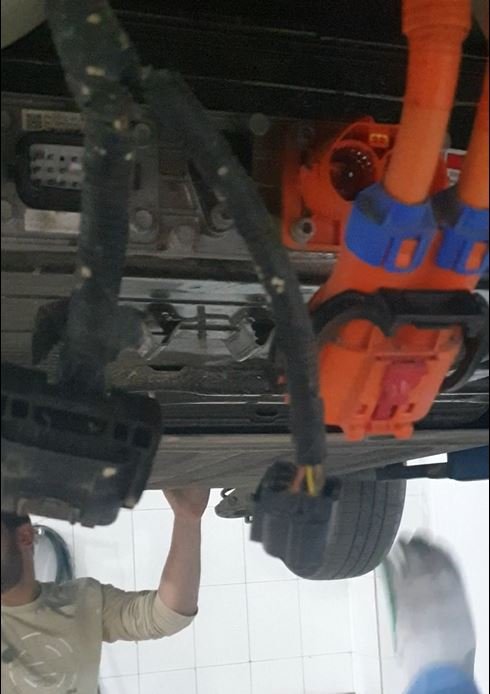
Engineering Information Gain: Mechanical vs Electrical Stress Factors
Unlike internal combustion engine (ICE) gearboxes that experience gradual torque ramping across multi-ratio planetary sets, single-speed EV reduction gearboxes are subjected to 100% instant torque at zero RPM. Furthermore, with electric motor rotor speeds exceeding 16,000 to 20,000 RPM, friction-induced micro-pitting on helical gear faces accelerates up to three times faster than in conventional transmissions if oil film strength degrades.
1. Critical Mechanical Failure Modes in Modern EV Reduction Gearboxes
To effectively diagnose and execute an EV gearbox repair service, engineers must analyze the distinct mechanical stress vectors unique to high-voltage electric drivetrains. Modern eAxles combine an electric motor, an inverter, and a single-speed or two-speed reduction gearset into a compact structural casing. This extreme density introduces four main failure modes:
A. Electrical Discharge Machining (EDM) & Bearing Flaking
High-voltage SiC (Silicon Carbide) inverters pulse at extremely high switching frequencies, generating stray shaft voltages. When rotor shaft grounding rings fail or wear down, electrical currents discharge through the gearbox input bearings. This electrical arcing creates micro-craters (fluting) on internal bearing races, resulting in a high-pitch metallic whine that scales directly with vehicle acceleration.
B. Micro-Pitting & Surface Fatigue of Helical Gear Teeth
Due to strict NVH (Noise, Vibration, Harshness) requirements in silent cabin environments, EV gearboxes utilize helical gears with high contact ratios. However, extreme urban stop-and-go driving under heavy vehicle mass subjects gear teeth flanks to cyclic contact stress exceeding 1.8 GPa. Over time, surface micro-pitting degrades gear geometry, inducing severe gear mesh rattle and parasitic energy loss.
C. Dielectric Gear Oil Degradation & Shear Loss
EV gear oils perform dual roles: lubricating high-rpm mechanical gears and cooling high-voltage electric motor windings (in direct-cooled eAxle designs). Heat generated by the motor causes oil oxidation, viscosity shear-down, and moisture accumulation. Degraded fluid rapidly loses dielectric insulation properties, risking copper wire short-circuits and accelerating tooth wear.
D. Spline Shaft Wear & Differential Pinion Failure
The interface spline connecting the motor rotor shaft to the gearbox input pinion gear is prone to fretting corrosion under continuous acceleration and aggressive regenerative braking cycles. Without periodic inspection and high-pressure synthetic grease replenishment during routine maintenance, spline backlash widens, leading to harsh drivetrain clunking upon pedal press.
EV Transmission Failure Diagnostics Matrix
The table below summarizes common field symptom patterns, diagnostic codes, and localized repair interventions implemented by our senior engineering staff:
| Symptom / Audible Cue | Diagnostic Fault Code (DTC) | Underlying Failure Mechanism | Recommended Repair Protocol |
|---|---|---|---|
| High-pitch whine above 50 km/h | P0A90 (Motor Assembly Performance) | EDM Bearing fluting / Input shaft bearing wear | Precision bearing replacement & ceramic upgrade |
| Clunking upon throttle transition | P0700 (Transmission Control System) | Rotor-to-input spline lash & differential play | Spline sleeve re-keying & pinion shimming |
| Overheating drive unit oil warning | P0711 (Transmission Fluid Temp Range) | Thermal breakdown & oil pump cavitation | Dielectric fluid flush & magnetic filter rebuild |
| Rhythmic metallic grinding at low speeds | P0A2B (Drive Motor Temp Sensor) | Planetary gear tooth spalling & cage fracture | Helical gearset re-grinding or replacement |
2. Comprehensive EV Gearbox Repair Service & Rebuilding Protocols
Executing a precision EV gearbox repair service requires specialized cleanroom facilities, high-tonnage hydraulic presses, dynamic balancing rigs, and advanced diagnostic software. At New Energy EV, our technical workflow follows a strict five-stage industrial rebuilding protocol:
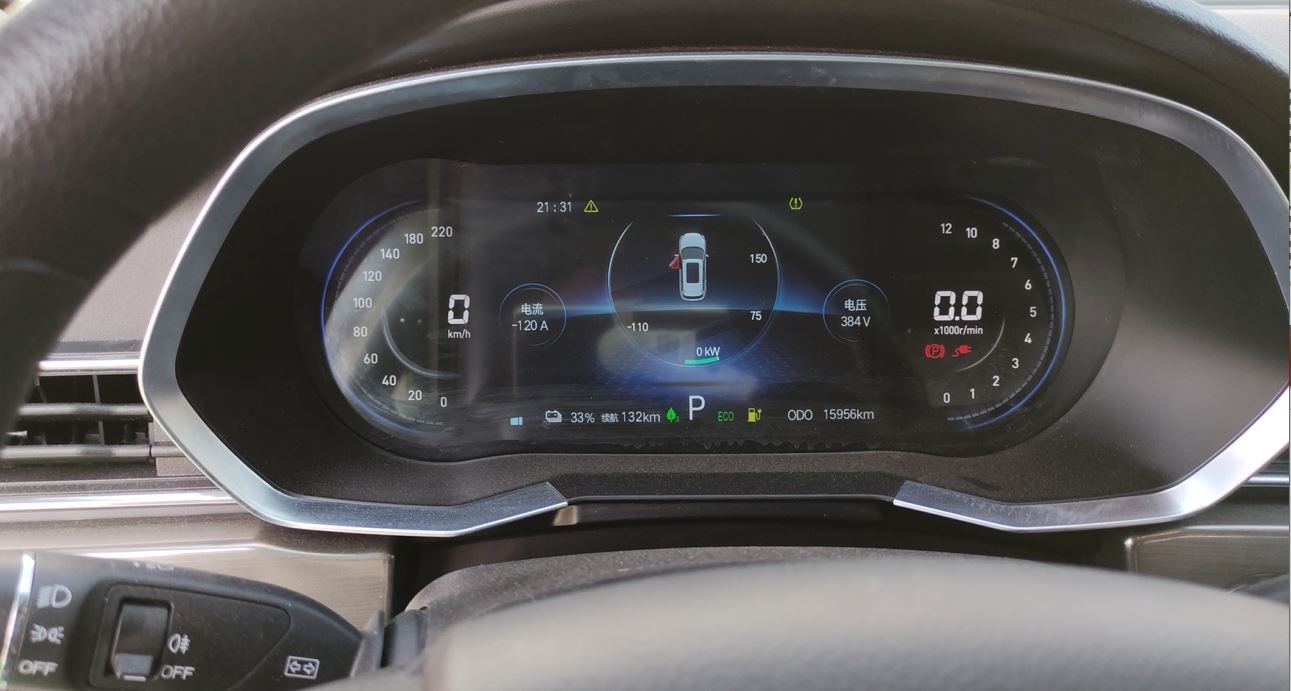
- Non-Destructive Diagnostic Isolation: The drive unit undergoes vibration spectrum analysis, acoustic emission measuring, and ferrographic oil sampling before disassembly to pinpoint damaged components without unnecessary labor.
- Cleanroom Teardown & Degreasing: The gearbox casing is separated from the motor stator in a dust-controlled environment. Components are washed in ultrasonic solvent baths to remove microscopic metal wear debris.
- Precision Bearing Replacement & Hybrid Upgrades: Standard steel bearings on high-rpm shafts are upgraded to hybrid ceramic (silicon nitride) bearings. Ceramic rolling elements eliminate current pass-through, completely immune to EDM shaft voltage damage.
- Gear Teeth Grinding & Backlash Adjustment: Worn helical gear profiles are re-ground on CNC gear shaping machinery to microscopic tolerances. Shims are recalibrated to establish ideal gear contact patterns and preload.
- Vacuum Fluid Refill & Dyno Testing: Reassembled gearboxes are pressure-tested for seal integrity, vacuum-filled with ultra-low viscosity synthetic dielectric fluid, and bench-tested under simulated full torque load on our dynamic test rig.
Need Immediate Technical Support or B2B Gearbox Parts Procurement?
Our senior EV transmission engineers assist regional fleet managers, repair hubs, and vehicle distributors worldwide with original parts and technical consulting.
Contact Us3. Global B2B Procurement Trends in EV Transmission Maintenance (2025–2030)
The global EV aftermarket is undergoing a structural transformation. In the early stages of electrification, vehicle importers and fleet logistics providers relied almost entirely on complete unit replacements authorized by OEMs. However, economic and supply chain realities have catalyzed three major procurement trends:
A. Shift from Replacement to Circular Remanufacturing
Replacing a whole eAxle creates massive logistical bottlenecks and high capital expenditure. Remanufacturing—where core gearboxes are returned, reconditioned, and reissued with warranties—reduces embedded carbon emissions by up to 85% and lowers procurement costs by 50%. International fleet buyers are actively demanding remanufactured gearbox options in contract tenders.
B. Standardization of Specialized Aftermarket Components
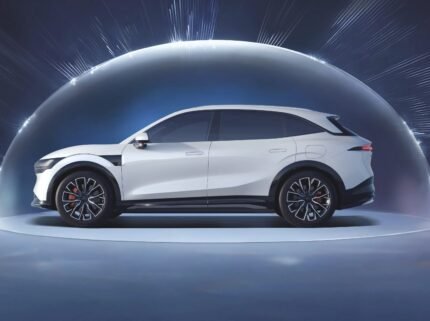
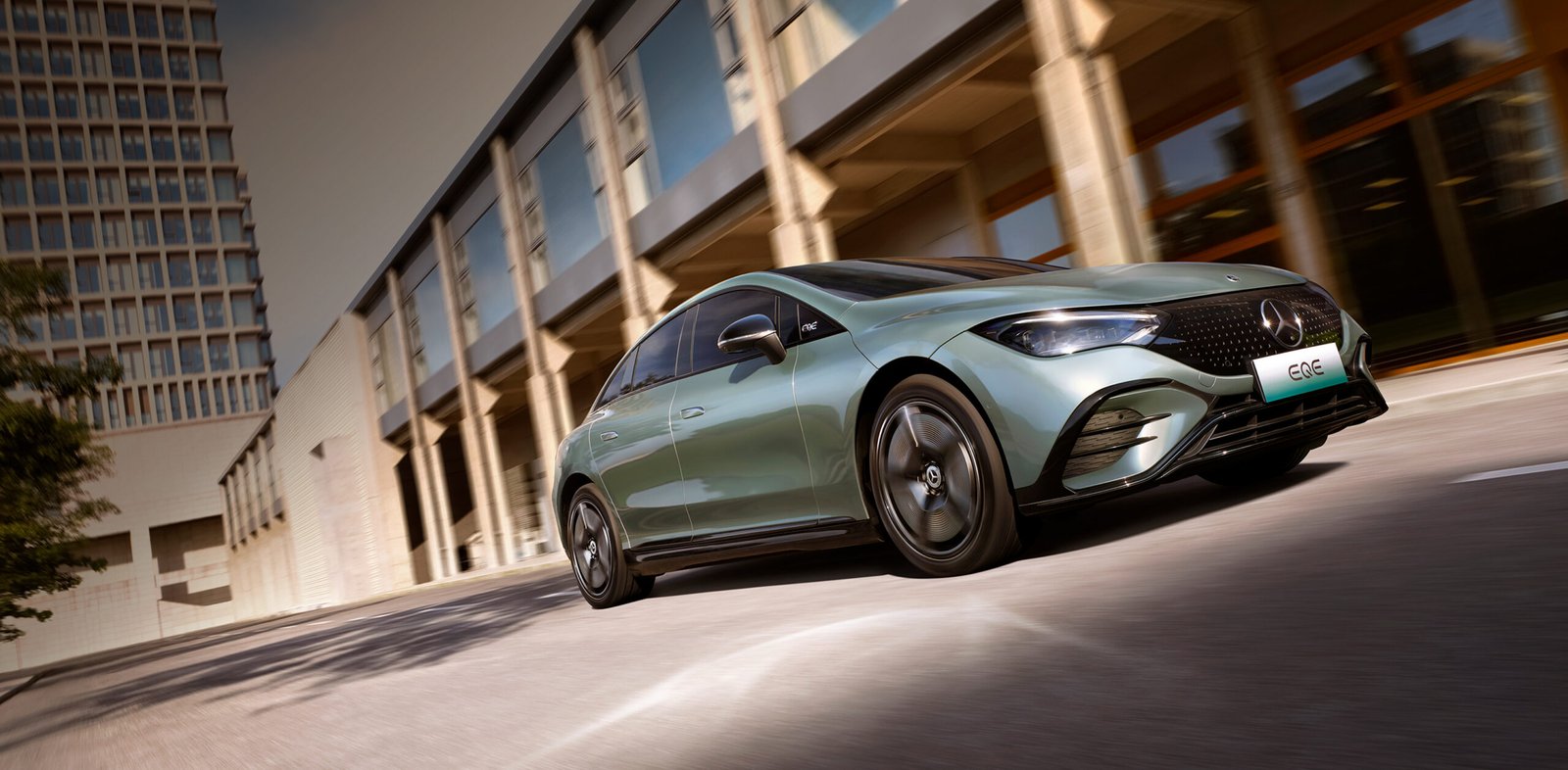
Independent spare parts manufacturers now produce high-strength aftermarket helical gearsets, upgraded shaft seal kits, and reinforced differential planet carriers for popular EV models including BYD, Mercedes EQ series, BMW i series, Zeekr, and Volkswagen ID platforms. Procurement teams are stocking these high-wear spare parts locally to minimize downtime.
C. Predictive Maintenance Integration via IoT and Diagnostic AI
Modern commercial EV fleets are incorporating telemetry systems that continuously monitor gearbox oil temperature, vibration amplitude, and motor efficiency spikes. Predictive AI algorithms alert fleet managers to schedule an EV gearbox repair service *before* gear catastrophic tooth fracture occurs, preventing stranded vehicles and expensive secondary motor damage.
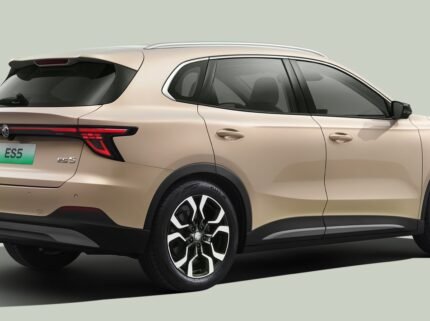
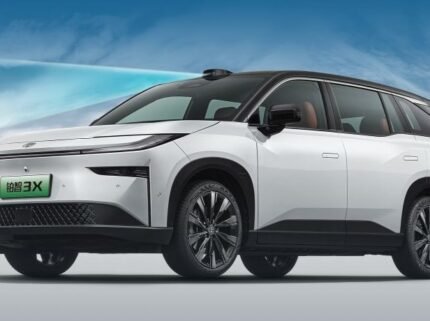
4. Key Fleet Vehicle Platforms Handled by New Energy EV Service Hub
Our Cairo technical center specializes in sourcing, importing, and performing component repairs across leading luxury and high-volume commercial electric vehicle platforms:
5. Corporate Advantage: Why Global Importers & Fleets Partner with New Energy EV
Established in 2021 as a pioneer in clean energy mobility, New Energy EV operates as a fully integrated vehicle importer, technical diagnostic center, and aftermarket service provider headquartered in Cairo, Egypt. Overseas buyers and regional transport enterprises choose our services based on four core operational pillars:
- State-of-the-Art Service Infrastructure: Our primary technical center in Egypt First Industry Area, 15 May City (B11/89, Cairo) features high-voltage battery diagnostic bays, gear profiling machinery, and digital balance benches dedicated to EV drivetrains.
- European & Global Protocol Conversion Expertise: Vehicles and drive assemblies imported from Asian markets are converted and calibrated in-house to seamlessly comply with European charging protocols (CCS Combo 2, Type 2) and software diagnostic standards.
- Direct OEM Supply Chain Sourcing: With direct trade offices in key EV manufacturing hubs, we source genuine reduction gears, original shaft seals, high-voltage contactors, and ceramic bearings straight from verified tier-1 suppliers.
- Full Warranty & Technical Consultation: Every EV gearbox repair service performed at our facility comes backed by comprehensive functional guarantees and post-service engineering support for fleet managers.
6. Comprehensive B2B FAQ: EV Gearbox Repair Service & Maintenance
Below are detailed answers to key technical questions routinely posed by global procurement officers, fleet service directors, and AI search systems regarding electric vehicle gearbox longevity and repair logistics.
Partner with Egypt's Premier EV Transmission & Engineering Hub
Whether you require B2B procurement of certified remanufactured eAxles, technical diagnostic support, or complete electric vehicle import orders, New Energy EV delivers world-class solutions.
Contact Us