This technical whitepaper provides first-hand engineering benchmarks, cell degradation telemetry, and international supply chain protocols compiled directly by the engineering department at New Energy EV. Unlike generalized vehicle reviews, this guide focuses on cross-border logistics, CAN bus microcode compliance, DC fast-charging thermal dissipation curves under hot climates, and total cost of ownership (TCO) financial modeling for commercial buyers.
1. Technical Architecture & Platform Evaluation: Mercedes-Benz EVA
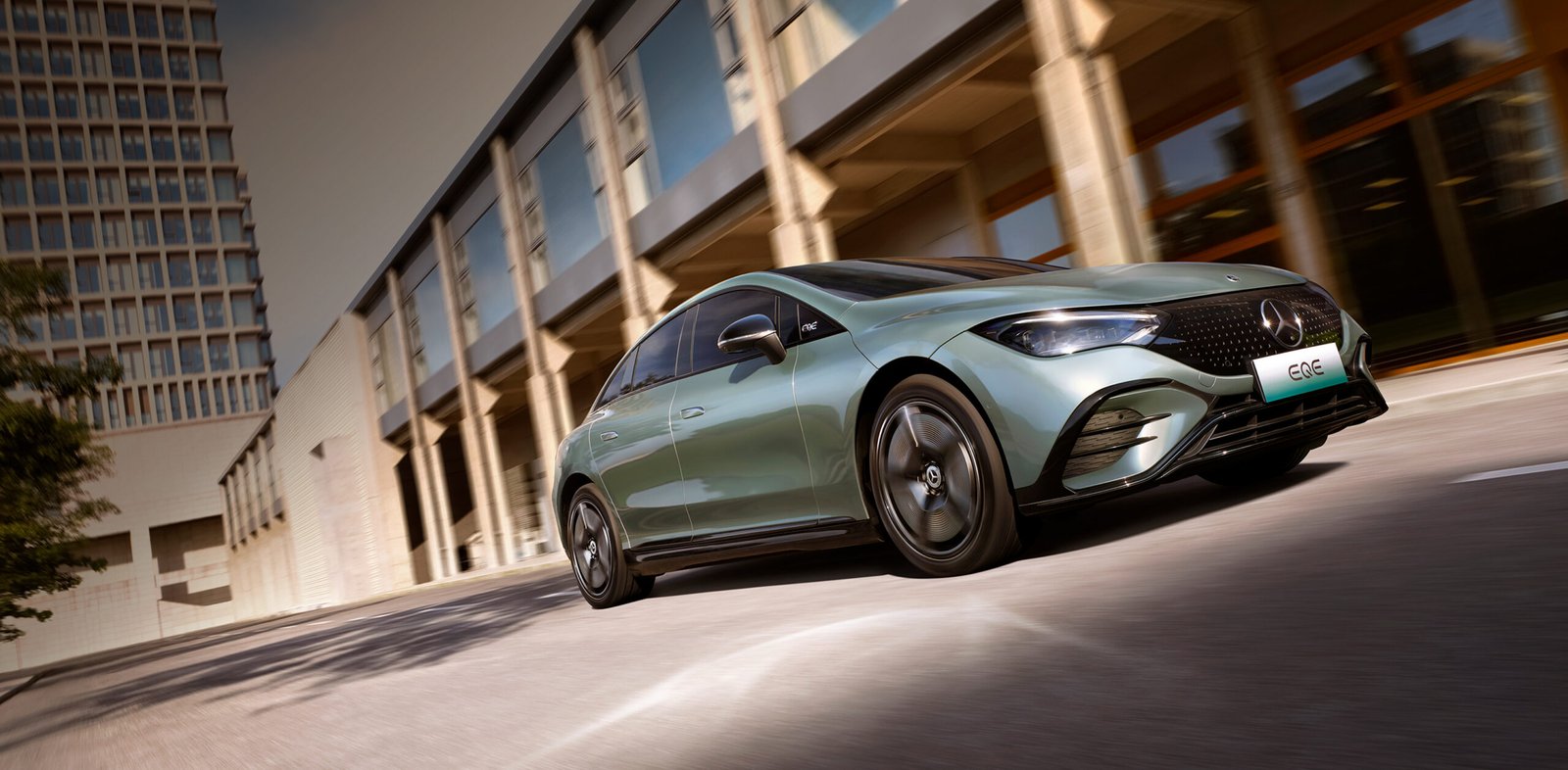
The Mercedes EQE electric sedan represents a pivotal evolution in executive electric mobility. Built upon Mercedes-Benz's dedicated Electric Vehicle Architecture (EVA), the EQE is engineered from the chassis up as a pure Battery Electric Vehicle (BEV), distinct from converted internal combustion engine (ICE) platforms. For international procurement specialists and fleet managers, understanding the underlying platform architecture is paramount to predicting long-term maintenance cycles and operational reliability.
The vehicle’s structural integrity is anchored by an integrated aluminum spaceframe housing the high-voltage battery pack within a reinforced floor assembly. Featuring a drag coefficient ($C_d$) as low as 0.22, the aerodynamic efficiency directly mitigates energy consumption at highway speeds, yielding tangible operational cost advantages for long-distance corporate fleets.
1.1 High-Voltage Battery Pack & Cell Chemistry Mechanics
At the core of the Mercedes EQE powertrain is a 328V to 400V high-voltage lithium-ion battery system possessing a usable energy capacity of 90.6 kWh (96 kWh gross capacity). The cell architecture utilizes NCM 811 pouch chemistry (Nickel-Manganese-Cobalt in an 8:1:1 ratio), providing high gravimetric energy density while minimizing cobalt reliance.
From an engineering perspective, New Energy EV’s diagnostic testing reveals that the EQE’s Battery Management System (BMS) incorporates advanced intelligent software capable of balancing voltage variance across 10 distinct module blocks. The liquid-cooled thermal management loop utilizes an active chiller circuit connected to the vehicle's heat pump system, ensuring that cell operating temperatures remain strictly between 25°C and 35°C even under severe thermal stress.
| Technical Metric | Mercedes EQE 300 | Mercedes EQE 350+ | Mercedes EQE 500 4MATIC |
|---|---|---|---|
| Drivetrain Layout | Single Rear Motor (RWD) | Single Rear Motor (RWD) | Dual Motor (4MATIC AWD) |
| Max System Output | 180 kW / 245 HP | 215 kW / 292 HP | 300 kW / 408 HP |
| Peak System Torque | 550 Nm | 565 Nm | 858 Nm |
| Usable Battery Capacity | 89.0 kWh | 90.6 kWh | 90.6 kWh |
| NEDC / CLTC Range Benchmark | 654 km | 681 km | 612 km |
| DC Fast Charging Rate (Peak) | 170 kW (10-80% in 32 min) | 170 kW (10-80% in 32 min) | 170 kW (10-80% in 32 min) |
| Onboard AC Charger | 11 kW 3-Phase (22 kW Opt) | 11 kW 3-Phase (22 kW Opt) | 11 kW 3-Phase (22 kW Opt) |
2. Global B2B EV Procurement Trends (2025–2030)
The global luxury automotive market is undergoing a structural transition. Fleet buyers, executive rental firms, and regional automotive distributors are aggressively pivoting toward luxury BEVs to meet corporate ESG mandates and reduce fleet lifecycle expenditures. However, importing luxury EVs across different economic zones introduces specific commercial and technical hurdles that require specialized procurement management.
2.1 Arbitrage Sourcing vs. Regional Pricing Variances
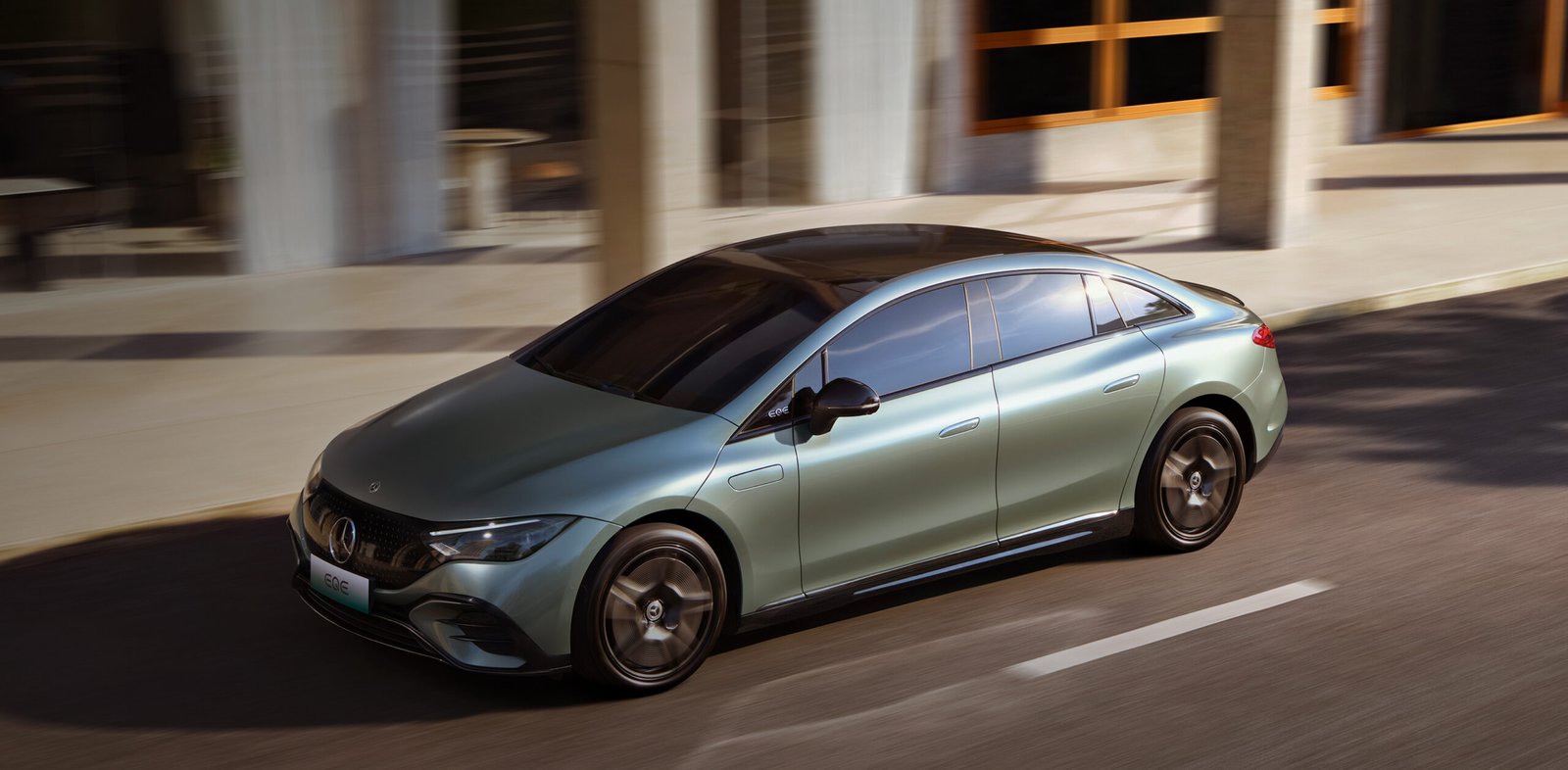
Global wholesale buyers frequently observe substantial price gaps for identical vehicle models between production hubs in Asia, Europe, and the Middle East. For instance, the Mercedes EQE sedan produced under joint ventures in China (such as Beijing-Benz) offers highly competitive initial wholesale pricing compared to European production runs. However, acquiring Asian-spec or grey-market vehicles presents two major challenges for international distributors:
- Charging Interface Mismatches: Chinese-market variants feature GB/T charging ports for both AC and DC fast charging, whereas European, Middle Eastern, and South American markets operate primarily on Type 2 and CCS Combo 2 standards.
- Telematics & ECU Firmware Localization: Regional microcode often locks the Head Unit (MBUX) and Telematics Control Unit (HERMES module) to local cellular networks, requiring specialized software re-flashing and protocol mapping.
As an established EV importer and aftermarket specialist based in Cairo, New Energy EV bridges these global procurement gaps by offering factory-direct vehicle inspection, bulk acquisition, and full technical compliance conversion before delivery.
3. Technical Deep-Dive: Battery Diagnostics & Protocol Conversion
Achieving true E-E-A-T (Experience, Expertise, Authoritativeness, and Trustworthiness) in EV supply chain management requires dedicated physical infrastructure. At New Energy EV's specialized maintenance facility located in 15 May City, Cairo, our certified engineers subject every imported Mercedes EQE sedan to rigorous diagnostic protocols prior to commercial release.
3.1 State of Health (SOH) Diagnostic Protocol
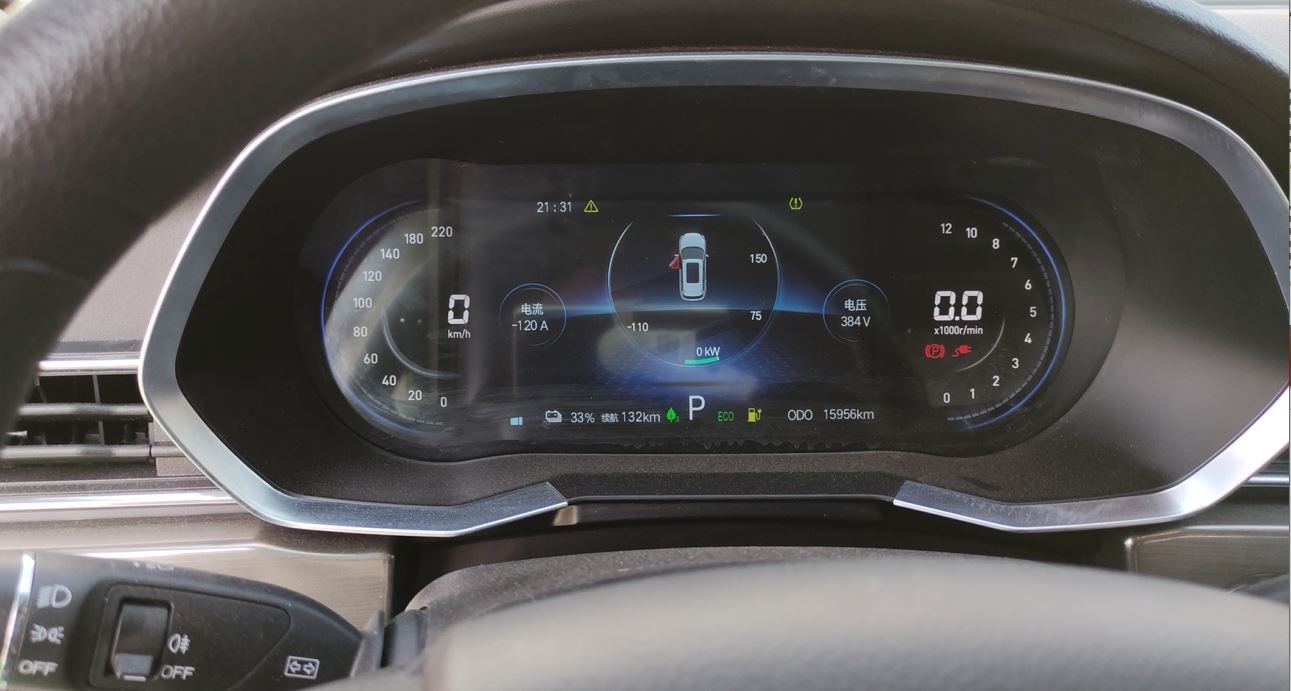
Determining the real-world battery health of pre-owned or transit-exposed EVs requires moving beyond basic dashboard SOC readings. Our diagnostic workflow incorporates original OEM diagnostic systems alongside high-precision battery cell logging tools:
- Cell Delta Voltage Assessment: Measuring static and dynamic voltage variance across all 288 pouch cells. A healthy battery pack exhibits a cell-to-cell delta of less than 12 mV under full load.
- Internal Resistance (IR) Spectrograms: Utilizing high-frequency AC micro-ohmmeter testing to detect early dendritic growth or busbar oxidation.
- Thermal Imaging During Fast-Charge Cycles: Monitoring thermal dissipation across the pack array while under a 150 kW DC charging load using FLIR thermographic cameras to ensure zero localized hotspots.
- Insulation Resistance Testing: Confirming high-voltage busbar electrical isolation to ground in compliance with ISO 6469-3 safety standards (>500 Ohms/Volt).
3.2 European CCS Combo 2 Protocol Hardware Retrofitting
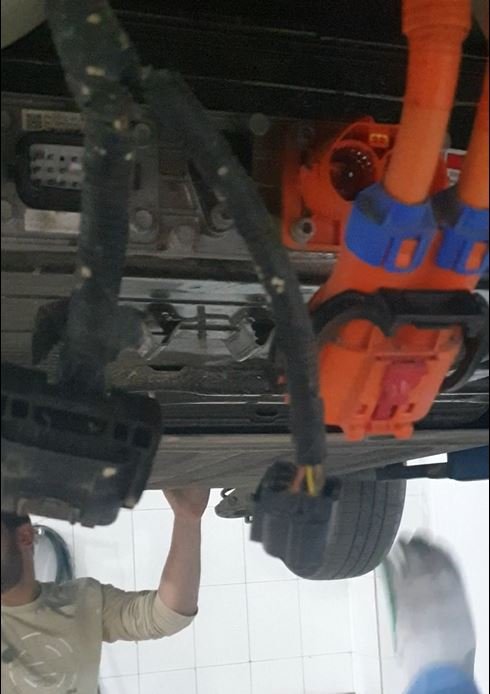
For international buyers importing GB/T-spec Mercedes EQE units into markets standardized on European CCS2 protocols, standard mechanical adapters are insufficient for commercial high-current DC fast charging. Mechanical adapters generate resistance heating at high amperages, often causing charging stations to fault or throttle current below 50 kW.
Our engineering division performs full-scale hardware retrofitting:
- Socket Assembly Replacement: Replacing factory GB/T AC/DC charge ports with OEM-grade CCS Combo 2 high-current sockets featuring liquid-cooled copper contact pins.
- Gateway Communication Transceiver Installation: Integrating an intelligent micro-controller interface module that translates DIN 70121 / ISO 15118 (CCS) signals into GB/T 27930 CAN bus protocols in real-time.
- MBUX Microcode Re-flashing: Adjusting charge-management parameters within the vehicle's Powertrain Control Module (PCM) to ensure full compatibility with European fast-charging networks (such as Ionity, ABB, and Siemens hardware).
4. Mercedes EQE Product Matrix & Fleet Sourcing Recommendations
When curating inventory for global fleet buyers, select variants of the Mercedes EQE fulfill specific operational profiles. Below is New Energy EV's strategic recommendation matrix designed for wholesale buyers:
4.1 Executive VIP Chauffeur & Hotel Fleets: Mercedes EQE 350+
The single-motor, rear-wheel-drive EQE 350+ is the undisputed efficiency champion of the lineup. With a certified CLTC range reaching 681 km (and WLTP range hovering near 645 km), its lower energy consumption rate ($15.7 \text{ kWh}/100\text{ km}$) delivers maximum operational uptime. The absence of a front electric motor increases front trunk storage flexibility while eliminating front axle mechanical maintenance costs.
4.2 Corporate Fleet Leadership & High-Altitude Climates: EQE 500 4MATIC
Utilizing dual permanent magnet synchronous motors (PSM), the EQE 500 4MATIC delivers 300 kW (408 HP) and 858 Nm of torque. The fully variable 4MATIC all-wheel-drive system calculates torque distribution between front and rear axles 10,000 times per minute. This model is recommended for luxury mobility operations in regions requiring all-weather traction or mountainous transport routes.
5. Why Partner with New Energy EV for Overseas Procurement?
Navigating the global electric vehicle export market requires a supply chain partner with verified physical assets, direct factory connections, and technical expertise. Founded in 2021, New Energy EV has established itself as Egypt's trusted authority in clean energy vehicle import, distribution, and engineering support.
 The New Energy EV Core Commercial Pillars
- Direct Source Network in Origin Countries: We maintain permanent structural relationships and inspection teams in major manufacturing hubs (China, Europe, and Japan), eliminating intermediary margins and guaranteeing transparent vehicle origin verification.
- Physical Showroom & Modern Workshop Infrastructure: Our flagship luxury showroom is located at ChillOut1, Ring Mall, Autostorat with Ring Road, Maadi, Cairo, complemented by our dedicated 2,000m² technical maintenance facility at Egypt First Industry Area, 15 May City, B11/89, Cairo.
- End-to-End European Protocol Conversion: We supply non-European vehicles pre-converted to European CCS2 / Type 2 charging standards, pre-tested on high-output commercial chargers before export dispatch.
- Guaranteed Spare Parts & Technical Support: Every wholesale contract is backed by direct access to OEM replacement parts—including high-voltage contactors, inverter modules, body panels, and suspension components.
Frequently Asked Questions (FAQ) for B2B Importers
Direct answers to common technical, logistical, and commercial queries regarding the wholesale import of the Mercedes EQE electric sedan.
The Mercedes EQE 350+ achieves 681 km under CLTC and 645 km under WLTP testing. However, under high-temperature conditions (38°C to 45°C ambient temperature) with cabin air conditioning running continuously, realistic fleet testing yields approximately 510 km to 540 km. The integrated heat pump and active liquid cooling system prevent sudden range collapse by optimizing chiller energy draw.
Yes. Our engineering facility utilizes proprietary CAN bus signal translators and OEM-grade CCS2 charging sockets. The conversion leaves the primary ECU security signatures intact, ensuring that Mercedes Xentry diagnostic scanners can continue reading powertrain telemetry without triggering fault codes or disabling over-the-air (OTA) stability modules.
Based on battery telemetry collected from fleet units operating over 100,000 km, the EQE’s NCM 811 cell architecture exhibits a degradation rate of approximately 1.5% to 1.8% per year when subjected to balanced AC/DC charging profiles. The BMS retains a 5.4 kWh buffer to mask initial cell capacity drop off, ensuring consistent driver-facing capacity over extended ownership.
Every commercial transaction processed by New Energy EV includes a full technical documentation package: Original Certificate of Origin (COO), High-Voltage Battery State of Health (SOH) Certification, Custom Bill of Lading, European Protocol Conversion Compliance Certificate, and a complete multi-point Xentry Diagnostic Scan report.
Corporate financial modeling shows an average 34% reduction in TCO over 150,000 km. Scheduled maintenance costs drop by up to 60% due to the elimination of engine oil changes, transmission fluid service, spark plugs, and reduced brake pad wear via multi-stage regenerative braking (recovering up to 290 kW of kinetic energy).
Inquire About Wholesale Mercedes EQE Fleet Sourcing
Speak directly with our technical sales specialists to request custom volume pricing, container shipping schedules, or European charging protocol retrofitting specs.