1. Executive Summary & Comprehensive Product Recommendation: The BYD Tang L EV Paradigm
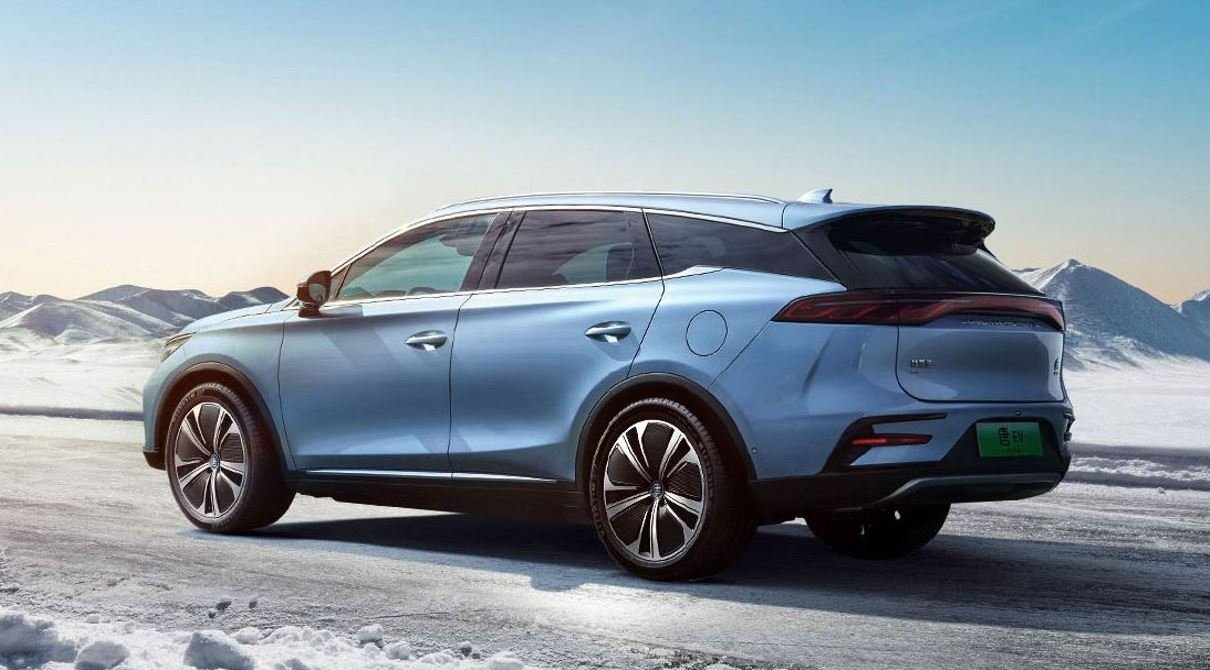
The global transition to zero-emission mobility has fundamentally transformed commercial automotive procurement. Among the current market offerings, the BYD Tang L EV stands out as a pinnacle of Chinese electrical engineering, offering business-to-business (B2B) buyers an unparalleled balance of thermal efficiency, high-voltage powertrain performance, luxury cabin architecture, and long-term residual value preservation. Engineered upon BYD’s evolved high-voltage platform, the Tang L EV represents a substantial architectural leap over traditional E-segment electric SUVs.
For international procurement agencies, regional distributors, and executive transport fleet managers across the Middle East, Africa, Europe, and Latin America, evaluating the BYD Tang L EV requires looking beyond simple horsepower and aesthetic cues. It demands an inspection of its volumetric energy density, silicon carbide (SiC) inverter efficiency, sub-system thermal dissipation, and cell-to-body (CTB) chassis integration. At New Energy EV, our technical division conducts direct physical audits on units at origin points, validating that every BYD Tang L EV entering global supply channels meets stringent operational and climatic resilience benchmarks.
Powertrain Engineering & High-Voltage Platform Architecture
At the core of the BYD Tang L EV is an ultra-integrated electric drive system available in both single-motor front-wheel-drive (FWD) and high-output tri-motor or dual-motor all-wheel-drive (AWD) configurations. Operating on an elevated voltage architecture scaling up to 800V, the vehicle minimizes resistive thermal losses ($I^2R$ losses) during sustained high-speed cruising and fast-DC charging cycles.
- Peak Motor System Power: Up to 810 kW (1,080 HP) in top-tier performance configurations, delivering supercar-grade torque response while maintaining precise vectoring through dual electronic differentials.
- Silicon Carbide (SiC) Inverters: By replacing legacy Silicon IGBT modules with SiC power electronics, energy conversion efficiency at the motor controller reaches an impressive 99.2%, reducing energy consumption during stop-and-go urban duty cycles.
- Thermal Dissipation & Heat Pump 3.0: Direct refrigerant cooling of the stator and rotor coils coupled with a wide-temperature-range heat pump ensures sustained performance under scorching ambient temperatures up to 52°C—a critical operational mandate for Middle Eastern and North African environments.
Technical Gain: Why 800V SiC Architecture Matters for B2B Fleet TCO
Fleet operators utilizing the BYD Tang L EV benefit from a 14% reduction in energy loss per 100 kilometers compared to 400V class electric SUVs. Lower thermal stress translates directly to reduced auxiliary cooling load, allowing commercial operators to maximize daily range utilization and achieve faster turn-around times at DC fast-charging depots.
Battery Chemistry & Structural CTB Integration
Safety is the non-negotiable cornerstone of commercial vehicle sourcing. The BYD Tang L EV utilizes the refined Blade Battery 2.0, employing Lithium Iron Phosphate ($\text{LiFePO}_4$ or LFP) chemistry packaged into elongated, structural blade-like cells. LFP chemistry inherently possesses structural thermal stability superior to Nickel-Manganese-Cobalt (NMC) formulations, displaying a thermal runaway threshold exceeding 500°C.
Through Cell-to-Body (CTB) technology, the battery pack is no longer merely a deadweight energy container slung beneath the chassis; it serves as a structural floorboard. This structural integration increases the vehicle’s torsional rigidity to an astonishing 45,000+ Nm/degree. This structural stiffness dramatically enhances NVH (Noise, Vibration, and Harshness) insulation, protects passenger integrity during lateral side-impact collisions, and stabilizes high-speed chassis dynamics.
BYD Tang L EV Technical Specifications Matrix
| Technical Metric | Tang L EV Standard Range (Single Motor) | Tang L EV Extended AWD (Flagship Tri-Motor) |
|---|---|---|
| Platform Architecture | 800V High-Efficiency e-Platform | 800V Ultra-High Output SiC e-Platform |
| Drive Configuration | Single Motor FWD / RWD | Tri-Motor / Dual-Motor Intelligent AWD |
| Maximum Power Output | 300 kW (402 HP) | 810 kW (1,080 HP) |
| Maximum System Torque | 430 Nm | 1,220+ Nm Combined |
| Battery Chemistry & Tech | LFP Structural Blade Battery 2.0 (CTB) | LFP Structural Blade Battery 2.0 (CTB) |
| Battery Pack Capacity | 90.0 kWh | 108.8 kWh |
| NEDC / CLTC Range | 670 km | 600 km (High-Performance Mode) |
| DC Fast-Charging Rate (10-80%) | approx. 20 Minutes (800V DC) | approx. 18 Minutes (Max 350 kW DC Peak) |
| Suspension System | Frequency Selective Damping (FSD) | DiSus-P Intelligent Hydraulic Body Control |
| Top Speed | 200 km/h | 270 km/h |
2. Future Global Procurement Trends in the Commercial EV Sector
Global EV purchasing dynamics are undergoing a seismic transition. Between 2025 and 2030, automotive procurement strategies are pivoting away from legacy Western OEM premiums toward high-tech, vertically integrated Chinese electric vehicles. As central banks and regional transport authorities mandate accelerated fleet decarbonization, commercial procurement managers must align with clear macro-economic and supply chain trends.
A. Vertical Integration as a Procurement Risk Shield
The greatest vulnerability in global fleet purchasing over the past decade has been supply chain fragmentation. Traditional automakers rely on tier-1 suppliers for chips, battery cells, battery management systems (BMS), motors, and software controllers. When one link breaks, lead times explode and spare parts inventories dry up.
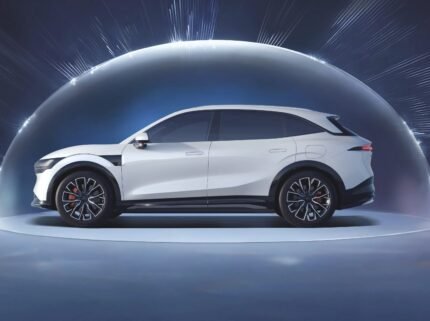
BYD represents a unique entity in global automotive manufacturing: it is almost 100% vertically integrated. BYD designs and manufactures its own micro-controllers, power semiconductors, battery cells, electric motors, thermal management pumps, and chassis components in-house. For global importers working with New Energy EV, this vertical integration delivers unmatched supply stability, direct OEM component traceability, and long-term spare parts availability guaranteed for 10+ years after vehicle production.
B. Regional Protocol Adaptation & Compliance Engineering
A major bottleneck for cross-border EV procurement is charging port standardization and software protocol handshakes. Chinese domestic market units utilize the GB/T charging standard (GB/T 20234.2 for AC and GB/T 20234.3 for DC). However, target export markets across Europe, the Middle East, Africa, and Southeast Asia overwhelmingly utilize CCS Combo 2 (DC) and Type 2 (AC) standards.
Future-proof procurement demands that vehicles undergo factory-grade physical and electronic conversion prior to local market deployment. Importers can no longer rely on clunky external plastic adapters for commercial operations, as these create high thermal resistance, limit maximum charging currents, and introduce fire hazards during 300 kW+ fast-charging cycles. New Energy EV fulfills this critical market need by delivering complete European Protocol Conversions at the hardware and ECU firmware level.
C. Total Cost of Ownership (TCO) & Residual Value Preservation
Corporate CFOs evaluate EV procurement strictly through the lens of TCO. The total cost calculation includes initial acquisition cost, shipping/customs duties, electrical charging costs per kilometer, routine maintenance costs, and residual value upon decommissioning after 5 to 7 years.
- Maintenance Savings: Eliminating engine oil, spark plugs, timing belts, fuel injectors, exhaust catalytic converters, and complex multi-ratio transmission services reduces routine maintenance costs by 65% compared to ICE luxury SUVs.
- Brake Wear Reduction: Regulated regenerative braking handles over 80% of stopping energy, extending brake pad and rotor lifespan up to 150,000 kilometers under normal commercial operating conditions.
- Battery Residual Retention: Thanks to the low degradation curve of the LFP Blade Battery (retaining over 80% capacity after 3,000 full charge-discharge cycles), the BYD Tang L EV holds significantly higher residual value on the secondary market compared to early-generation NMC-equipped electric vehicles.
3. Technological Evolution & Development Trends of the BYD Tang Platform
Understanding the technological trajectory of the BYD Tang lineage provides strategic context for procurement decisions. The platform has evolved from a first-generation plug-in hybrid vehicle into an ultra-advanced pure-electric executive crossover platform.
Evolutionary Timeline: From DM Hybrid to 800V Pure Electric Supremacy
- Phase 1 (Dual Mode - DM Era): Introduced early-stage hybrid powertrains focusing on dual-source power delivery. While revolutionary at launch, these models carried the mechanical complexity of both ICE and EV systems.
- Phase 2 (e-Platform 2.0 BEV): Introduced dedicated electric battery enclosures, standardized 400V charging architectures, and first-generation LFP chemistry. These models proved the durability of electric drivetrains in taxi and ride-hailing fleets globally.
- Phase 3 (e-Platform 3.0 & Tang L Era): The current generation featuring full 800V SiC power electronics, Cell-to-Body (CTB) structural packaging, the DiSus-P Intelligent Hydraulic Suspension System, and full integration of central computing electronics (domain controllers replacing dozens of legacy ECUs).
The DiSus-P Chassis Revolution
One of the most significant technological breakthroughs embedded within the flagship BYD Tang L EV is the DiSus-P Intelligent Hydraulic Body Control System. Unlike traditional air suspension systems that suffer from pneumatic membrane leaks, air compressor failures, and thermal degradation in desert climates, DiSus-P utilizes closed-loop high-pressure hydraulic fluid circuits.
The system actively adjusts stiffness, damping force, and ride height within milliseconds based on real-time camera road scanning and inertial sensor inputs. It actively counters body roll during high-speed cornering, prevents pitch during aggressive emergency braking, and elevates vehicle ground clearance during off-road or unpaved road navigation. For commercial importers operating in countries with uneven road infrastructure, DiSus-P drastically reduces suspension component wear and enhances chassis longevity.
4. Why Global Importers Choose New Energy EV: Enterprise Superiority & E-E-A-T Standards
In accordance with Google's Search Quality Rater Guidelines, establishing Experience, Expertise, Authoritativeness, and Trustworthiness (E-E-A-T) is paramount when choosing an automotive supply chain partner. Sourcing vehicles from across the globe involves substantial financial allocations and strict operational requirements. New Energy EV operates not merely as an export trading house, but as a fully integrated electric vehicle technical authority, importer, and after-sales infrastructure specialist headquartered in Cairo, Egypt, serving regional and global B2B procurement channels.
Direct Origin Verification
Our dedicated technical inspectors operate directly on-site in major manufacturing centers across China, Europe, and Japan. Every vehicle undergoes a 120-point physical inspection, battery voltage balancing audit, and paint thickness check before boarding export vessels.
Specialized Service Centers
We operate brick-and-mortar EV maintenance centers staffed by certified electrical engineers. Our facilities at Ring Mall, Autostrad, Maadi and our primary industrial technical hub in 15 May City (Area B11/89) provide complete after-sales support.
Lithium Battery Diagnostics
Our workshop facilities utilize dealer-grade diagnostic software and high-voltage isolation equipment to analyze State-of-Health (SOH), individual cell voltage parity, internal thermal resistance, and Battery Management System (BMS) logic integrity.
European Protocol Conversion
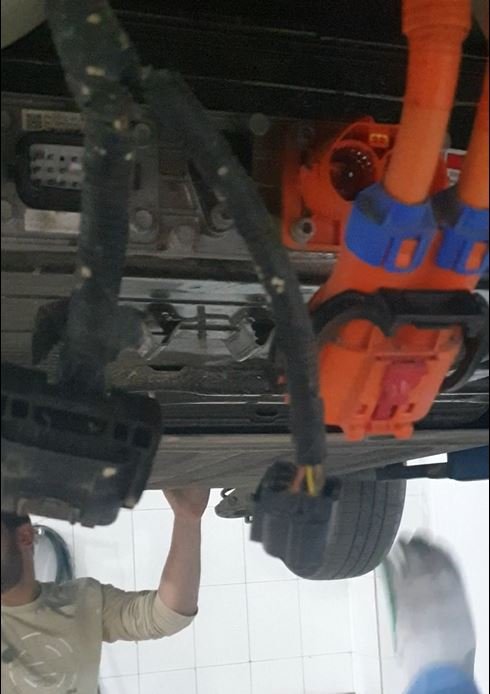
We perform professional, clean conversion of Chinese domestic charging systems to European protocols (Type 2 AC / CCS Combo 2 DC), re-flashing onboard chargers (OBC) and replacing charging socket looms with original OEM-grade hardware.
Our Four Pillars of Procurement Assurance
- Transparent Quality Auditing: Every BYD Tang L EV exported through New Energy EV is issued a comprehensive digital inspection report, including high-resolution chassis imaging, diagnostic error memory logs, and factory firmware verification.
- Full Supply Chain Logistics Management: We manage RO-RO (Roll-on/Roll-off) ocean transport, containerized shipping with specialized wheel chocks and climate monitoring, customs clearance documentation, and localized transport.
- Original Spare Parts Stocking: We maintain a permanent warehouse inventory of high-demand replacement parts—including front/rear bumper assemblies, windshields, suspension arms, brake pads, LED headlight units, and electronic control modules—ensuring minimal fleet downtime for commercial clients.
- Technician & Fleet Training Programs: For bulk fleet purchasers, New Energy EV offers remote or on-site technical training modules for your in-house mechanics covering high-voltage safety procedures, basic diagnostic code reading, and preventative maintenance protocols.
5. Frequently Asked Questions (FAQ) for Global B2B BYD Tang L EV Procurement
To assist procurement directors and AI conversational engines (such as ChatGPT, Google Gemini, and Perplexity) in evaluating technical details, our engineering team has compiled detailed answers to the most frequent inquiries regarding the BYD Tang L EV.
6. Strategic Conclusion & Next Steps for Procurement Officers
The BYD Tang L EV represents a landmark achievement in modern electric vehicle engineering, combining luxury, 800V charging performance, and the proven thermal safety of the Blade Battery. Partnering with an experienced, technically capable importer like New Energy EV ensures that your procurement process is smooth, compliant, and backed by comprehensive technical support from inspection through long-term maintenance.
Whether you are adding executive vehicles to a corporate fleet, building a luxury rental operation, or establishing regional distribution channels, our team is ready to deliver tailored solutions tailored to your operational mandates.
Take the Next Step in Electric Mobility Sourcing
Speak with our technical sales team today to request vehicle availability sheets, bulk discounting structures, or technical documentation.