Electric Vehicle Insights & News
Discover expert guides, battery diagnostic technical updates, and electric mobility news from New Energy EV.
7 Best Zeekr 7X Electric SUV Specs to Check?
The Zeekr 7X electric SUV arrives in a market demanding more than dramatic acceleration. Buyers now examine charging time, usable range, safety, space, and winter efficiency. The International Energy Agency’s Global EV Outlook 2025 reports that global electric-car sales exceeded 17 million in 2024. Competition is becoming measurable. Quickly.
This introduction examines seven specifications worth checking before judging the Zeekr 7X electric SUV. They include battery capacity, WLTP range, 800-volt charging performance, motor output, acceleration, dimensions, and cargo practicality. Official figures can vary by market and wheel design. That detail matters. European versions may offer a 100-kWh battery, up to 615 kilometres of WLTP range, and rapid charging from 10% to 80% in roughly 16 minutes. Real roads may deliver less, especially during cold weather or sustained motorway driving.
Andy Palmer, former Nissan chief operating officer, said, “The real issue is not range anxiety; it is charging anxiety.” His observation gives the 7X’s charging system practical importance, rather than treating it as a brochure number. Euro NCAP’s safety assessment framework also reminds buyers to examine crash protection and driver-assistance performance, not only horsepower. JATO Dynamics’ market analysis repeatedly shows that affordability and usability shape EV adoption. Therefore, this guide will question the impressive specifications, not merely repeat them. Some figures still need independent long-distance testing. That is the honest weakness.
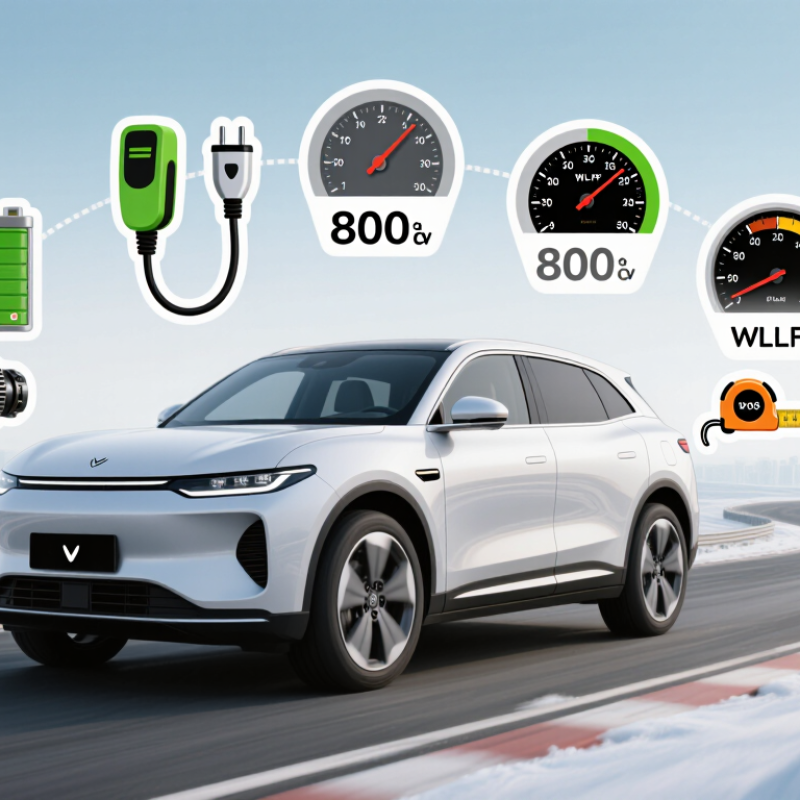
Zeekr 7X Powertrain and Electric Motor Specifications
Powertrain details deserve close attention in this electric SUV. The rear-wheel-drive version uses a 310 kW permanent-magnet motor, while the dual-motor model reaches approximately 475 kW. That output can deliver a claimed 0–100 km/h time of about 3.8 seconds. Impressive, perhaps excessive for daily traffic.
The vehicle uses an 800-volt electrical architecture and battery options near 75 kWh and 100 kWh. The smaller pack supports lower weight, while the larger pack offers longer rated driving distance. Manufacturer testing suggests charging from 10% to 80% can take roughly 15 minutes under suitable conditions. Real charging depends on battery temperature, charger output, and queue sharing. Numbers can disappoint in winter.
The International Energy Agency’s Global EV Outlook 2024 reported nearly 14 million electric car sales worldwide in 2023, showing why efficient SUV powertrains matter. Its analysis also identifies SUVs as a major growth category. Independent road testing remains essential, however. Research from the International Council on Clean Transportation repeatedly shows gaps between laboratory figures and real-world vehicle performance. High-speed driving, cold air, and cabin heating can reduce range noticeably. I would check motor efficiency, thermal management, and sustained charging speed before focusing only on peak acceleration. The front motor also adds traction, but it increases mass and energy demand. That trade-off is easy to overlook.
Battery Capacity, Charging Options, and Driving Range
When evaluating a premium electric SUV, battery capacity should be your first practical check. Some versions offer roughly 75 kWh, while larger packs approach 100 kWh. A bigger battery can support longer journeys, but it also adds weight. That extra mass may reduce efficiency in city traffic.
Charging architecture matters just as much. Look for an 800-volt system, because it can accept high-power DC charging when the station supports it. A suitable fast charger might add significant range in about 15 minutes. However, charging speed depends on battery temperature, charge level, and station output. Home charging is slower but more convenient, especially with an overnight wall unit. Check whether the vehicle supports three-phase AC charging in your market.
Driving range figures need careful interpretation. Test-cycle estimates can look impressive, yet cold weather, high speeds, roof loads, and heating reduce real distance. Compare the certified range with independent road tests. Also check usable battery capacity, not only the advertised gross figure. Efficiency is often more revealing than battery size.
I would also inspect thermal management and route-planning software. Strong cooling can preserve charging performance, but software predictions are not always perfect. A realistic range estimate is better than a dramatic brochure number.
Performance Figures and Driving Modes
Performance figures reveal how an electric SUV behaves beyond a showroom specification sheet. Check the motor layout, peak output, torque, battery size, and drive range first. A dual-motor version may deliver sharper launches and stronger traction on wet roads. Some configurations can reach 100 km/h in under five seconds, though results vary with battery charge and temperature. That difference matters.
Driving modes should feel purposeful, not decorative. Eco mode can soften throttle response and reduce climate-system demand during long commutes. Comfort mode usually balances smooth acceleration with controlled steering weight. Sport mode may sharpen pedal response, but repeated hard launches can increase energy use and tire wear. Snow or traction modes are valuable when roads become slippery, especially with firm regenerative braking.
I would also test one-pedal driving in traffic. Strong regeneration feels convenient, but it can seem abrupt for passengers. Adjustable regeneration is therefore worth checking. Ask whether the system keeps its setting after the vehicle restarts. That small detail affects daily usability.
Independent road tests deserve more trust than quoted acceleration times alone. Measure stopping distance, cabin stability, and range at highway speed. The advertised range may fall noticeably in cold weather or with large wheels. I would not treat that as a flaw, but it needs honest planning. A short test drive cannot expose every weakness. Pay attention to pedal calibration, body control, and how naturally each mode responds.
Electric SUV Performance Figures and Driving Modes
This chart presents representative published figures for a high-performance all-wheel-drive electric SUV configuration: 475 kW peak power, a 100 kWh battery, a 543 km WLTP range, a 210 km/h top speed, and a 3.8-second 0–100 km/h acceleration time.
Driving modes: Eco prioritizes efficiency, Comfort provides balanced throttle and suspension tuning, Sport sharpens acceleration and steering response, and Individual allows the driver to customize key vehicle settings.
Cabin Dimensions, Seating, and Cargo Space
Cabin space deserves close attention in this electric SUV. Its body is roughly 4.8 metres long, with a wheelbase near 2.9 metres. Those proportions usually create useful rear legroom. Still, published measurements can vary by market and trim.
The cabin seats five adults, with a wide rear bench and a mostly flat floor. In practice, two adults should sit comfortably behind taller front passengers. A third rear occupant may feel shoulder pressure. I would check the seat cushion length, because generous legroom does not always mean strong thigh support. The panoramic roof can improve the airy feeling, but it may reduce headroom slightly.
Cargo capacity is another key figure to verify. The rear compartment offers about 530 litres with the seats raised, while folding the second row can provide close to 1,900 litres. A low loading floor should help with bicycles, suitcases, and weekly groceries. Look for a powered tailgate, underfloor storage, and a separate front compartment. Small details matter. The rear opening may not suit tall boxes, despite the impressive volume. Measuring the usable width between the wheel arches is wiser than trusting the headline number. A hands-on inspection remains valuable, since trim materials, seat adjustment, and storage pockets can differ between versions.
Safety Systems, Smart Features, and Vehicle Technology
When checking a premium electric SUV, safety systems deserve more attention than screen size. Examine automatic emergency braking, blind-spot monitoring, lane-centering, and rear cross-traffic alerts. Euro NCAP’s 2023 protocols placed stronger emphasis on cyclist detection, driver monitoring, and post-crash rescue information. A useful test is simple: observe whether alerts feel early, clear, and calm in heavy traffic. Overly sensitive warnings can become annoying, and drivers may ignore them.
Smart features should also work outside a showroom. Check voice control with road noise present, phone pairing, navigation accuracy, and the speed of over-the-air updates. J.D. Power’s 2024 U.S. Initial Quality Study reported 272 problems per 100 vehicles, with infotainment among the most troublesome areas. That figure does not predict every vehicle, but it shows why usability matters. A large display is not automatically a better system. Sometimes, it creates another distraction.
Tips: Test seven details: camera clarity at night, charging-route planning, app response, software history, privacy controls, driver-monitoring accuracy, and emergency-call reliability. Read the owner’s manual before judging advanced assistance. I have found that small delays feel harmless during a short drive, yet become tiring after weeks. Also check whether essential controls remain available when mobile coverage disappears. The International Energy Agency reported nearly 14 million electric car sales globally in 2023, increasing pressure on manufacturers to make digital systems dependable, not merely impressive.
FAQS
Available battery packs may range from roughly 75 kWh to nearly 100 kWh. A larger pack can extend driving distance. It also adds weight. That extra mass may reduce city efficiency. Check usable capacity, not only the advertised gross figure.
An 800-volt system can support high-power DC charging at suitable stations. Some chargers may add substantial range in about 15 minutes. Charging speed changes with temperature, battery level, and station output. Peak power is only part of the story. The charging curve matters more.
Home charging is slower but convenient for overnight use. A wall unit can refill the battery while you sleep. Check whether three-phase AC charging is supported in your market. The installation may need professional assessment. Simple, but important.
Certified range figures can look better than everyday results. Cold weather, high speeds, heating, and roof loads reduce distance. Compare official figures with independent road tests. Ask for winter range data before deciding. Leave a safety buffer.
The vehicle is roughly 4.8 metres long, with a wheelbase near 2.9 metres. That layout usually creates useful rear legroom. Two adults should sit comfortably behind taller front passengers. A third adult may feel shoulder pressure. Check seat-cushion length and headroom personally.
The rear compartment may offer about 530 litres with the seats raised. Folding the second row can provide close to 1,900 litres. A low floor should help with bicycles, luggage, and groceries. Measure width between the wheel arches. Large boxes may still fit poorly.
Examine emergency braking, blind-spot monitoring, lane-centering, and rear cross-traffic alerts. Check cyclist detection and driver-monitoring performance. Warnings should feel early, clear, and calm. Overly sensitive alerts can become irritating. Drivers may ignore them.
Test voice control with road noise, phone pairing, navigation, and camera clarity. Also check route planning, application response, privacy controls, and emergency-call reliability. A large screen does not guarantee simple operation. Confirm essential controls work without mobile coverage. Software predictions are not always perfect. I would allow room for disappointment.
Conclusion
The Zeekr 7X electric SUV combines a modern electric powertrain with practical performance for daily driving and longer journeys. Key specifications to review include its motor layout, power delivery, battery capacity, charging options, and estimated driving range. These details help buyers understand how efficiently the vehicle can operate and how quickly it can recover energy during travel. Acceleration, top-speed capability, regenerative braking, and selectable driving modes also show how the SUV balances comfort, efficiency, and responsiveness.
Inside, the Zeekr 7X electric SUV focuses on usable space, with attention to cabin dimensions, seating comfort, passenger room, and cargo flexibility. Its safety systems and intelligent vehicle technology are equally important, including driver assistance features, connectivity functions, digital displays, and convenient controls. Reviewing these seven areas provides a clear overview of the vehicle’s practicality, performance, comfort, and technology before making a purchase decision.

Blog Tags: