EV Knowledge Base

Electric Vehicle Insights & News

Discover expert guides, battery diagnostic technical updates, and electric mobility news from New Energy EV.

0%

Buying a Zeekr Mix electric MPV is not simply a decision about battery size or futuristic styling. It is a practical choice involving family comfort, charging habits, software reliability, and long-term ownership costs. The vehicle’s unusual cabin design may attract attention, but daily usability deserves closer inspection.

Zeekr CEO Andy An once described the brand as “a new brand born from a new era.” That statement captures the ambition behind the Zeekr Mix electric MPV, yet ambition should not replace careful evaluation. Buyers should examine real-world range, charging performance, seating flexibility, safety equipment, warranty coverage, and local service support. A showroom demonstration can feel impressive. It cannot reveal every weakness.

This guide presents seven useful tips for making a more informed purchase. It considers how the MPV performs during school runs, weekend trips, and long highway journeys. It also looks at practical details, such as door clearance, third-row access, luggage space, and visibility around crowded streets. These small details matter.

Check the numbers carefully.

One imperfect point deserves attention: official range figures may not match winter driving or heavy urban use. Weather, passengers, luggage, and air-conditioning can change the result. Buyers should test the vehicle under familiar conditions whenever possible. A short drive may hide an uncomfortable seat or confusing interface. That is why direct experience remains valuable.

The right question is not whether the Zeekr Mix electric MPV looks advanced. It is whether the vehicle fits your routine, budget, and expectations after the novelty fades.
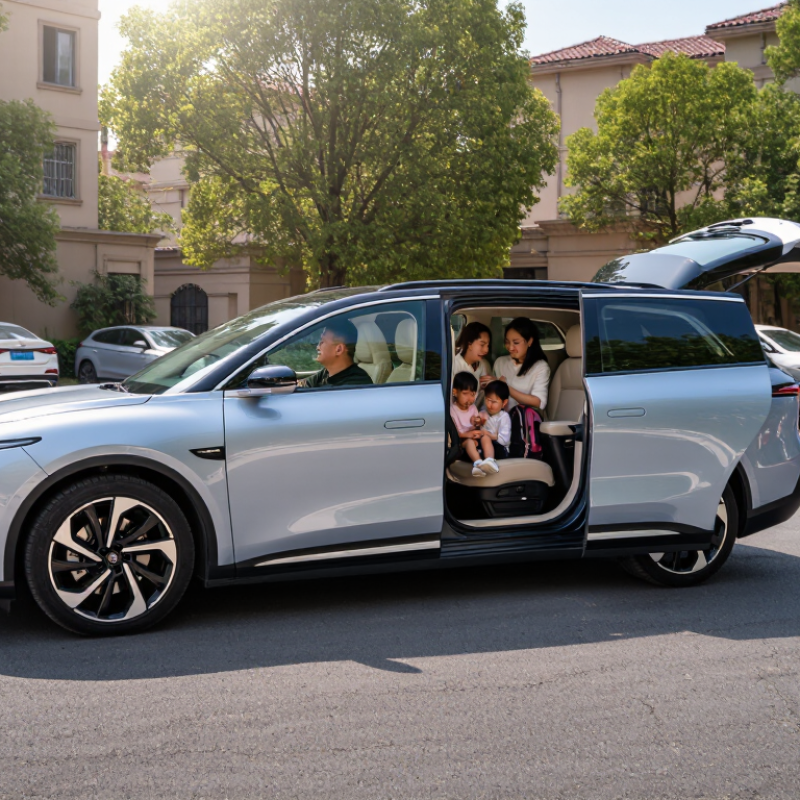
7 Tips for Buying a Zeekr Mix Electric MPV

Define Your Zeekr Mix Needs and Driving Priorities

Define your needs before comparing electric MPVs. Decide how many people travel regularly, not occasionally. A family of four may value second-row comfort more than maximum seating capacity. Measure your garage, driveway, and usual parking spaces. Measure everything. A wide vehicle can become tiring in narrow city streets.

Driving priorities should guide your battery and equipment choices. For daily school runs, smooth low-speed control and easy sliding doors may matter most. For long journeys, examine real-world range, charging speed, and winter performance. Published range figures are useful, but they are not promises. Cold weather, high speeds, roof loads, and heavy passengers reduce efficiency. Ask for charging data, not only marketing claims. A reliable dealer or independent specialist should explain battery warranties and service intervals clearly.

Think about the details you will touch every day. Check whether child seats fit without blocking front-seat movement. Test the cargo area with a stroller, groceries, and two large bags. Test it loaded. Sit in every row for at least ten minutes. I once focused too heavily on acceleration and overlooked the awkward third-row access. That assumption was wrong. A quiet cabin, stable visibility, and predictable braking may improve family travel more than extra power. Leave room for changing needs, because an occasional road trip can reveal weaknesses that a short test drive hides.

Compare Battery Range, Charging Speed, and Energy Use

Buying an electric MPV requires more than reading its advertised range. Check the usable battery capacity, not only the total figure. A larger pack can add weight and increase energy use. Compare independent road tests, especially in cold weather and with passengers. Real range matters most.

Test the vehicle on your regular route. Include a motorway section, steep roads, and stop-and-go traffic. Note the displayed consumption in kWh per 100 kilometres. Air conditioning, heavy luggage, and high speeds can reduce range quickly. Watch the charging curve, not just the peak charging figure. Fast charging may slow considerably after the battery reaches 80 percent. Ask whether the stated speed requires a powerful public charger. Your home supply may be much slower.

Check the time needed for a practical top-up. A 15-minute stop should add useful distance, not just impressive marketing numbers. Battery temperature also affects charging speed. Preconditioning before arriving at a charger can help. Examine charging data from several independent sources. Manufacturer figures are useful, but they are not the whole picture. I would also inspect the battery warranty, service coverage, and software update policy. These details can influence long-term reliability. One overlooked issue is standby energy use. A parked vehicle may lose charge through climate control or connected services. Small losses become noticeable over several days. Leave room for doubt.

Evaluate Passenger Space, Seating Layout, and Storage

7 Tips for Buying an Electric MPV

Passenger space should be measured, not guessed from exterior length. The IEA’s Global EV Outlook 2024 recorded almost 14 million electric car sales in 2023. That growth makes practical interior design increasingly important. Sit in every row, including the rearmost seats. Check knee clearance, shoulder room, and headroom with adults aboard. A flat floor helps, but battery housings can still reduce foot space. Bring your usual child seat or travel bag. Test it properly.

Seating flexibility matters more than a large seat count. Euro NCAP’s 2023 testing protocol includes child dummies representing six- and ten-year-old passengers. This highlights the need for secure, accessible second-row positions. Try sliding, folding, and reclining each seat yourself. Can one adult reach the third row without awkward climbing? Check whether the second row splits evenly. A wide central passage sounds useful, yet it may disappear when seats move.

Storage deserves a real-world inspection. Measure the luggage area behind every seating configuration. Place two cabin cases, a stroller, and grocery bags inside. Look for under-floor compartments, door pockets, and charging access. Remember that published cargo figures may use different measurement methods. I sometimes overvalue maximum volume. Daily usability can matter more. A shallow opening or high loading lip quickly becomes irritating. Take notes during the test drive, because first impressions are often generous.

7 Tips for Buying an Electric MPV: Evaluate Passenger Space, Seating Layout, and Storage
Tip Evaluation Area What to Measure or Check Useful Reference Point Practical Buying Action
1 Confirm usable passenger space Measure headroom, legroom, shoulder room, and seat-cushion length in every occupied row. Check space with the front seats adjusted for the tallest regular occupants. Allow roughly 75–100 mm of knee clearance for comfortable long-distance seating. Headroom should leave visible space above the seated passenger’s head. Bring the family to the dealership and sit in all rows at the same time. Do not judge space only from exterior length or wheelbase.
2 Examine the seating layout Compare two-row, three-row, and captain-chair configurations. Check whether seats slide, recline, fold, tumble, or can be removed without tools. Independent second-row seats generally improve access and comfort, while a three-seat bench can maximize passenger capacity. Choose the layout according to normal use: family access, child-seat installation, business travel, or maximum seating capacity.
3 Test third-row access and comfort Inspect the step-in height, doorway opening, seat-belt reach, foot space, visibility, and ease of entering the rearmost seats. A practical third row should be reachable without climbing over a folded seat or moving a child seat every time passengers enter. Ask an adult to enter and exit the third row several times. Test access from both sides if the vehicle has sliding doors.
4 Measure storage in real conditions Check luggage volume behind each seating row, load-floor height, opening width, under-floor compartments, and available space for charging cables. Compare storage with the third row upright, folded, and removed if possible. Published cargo figures may use different measurement methods, so direct testing is important. Bring typical items such as a stroller, two medium suitcases, grocery bags, or sports equipment and load them into the vehicle.
5 Check child-seat compatibility Locate ISOFIX or LATCH points, top-tether anchors, belt buckles, and the clearance between child seats and neighboring seats. Child-seat hardware is commonly positioned on selected rear seats rather than every seating position. Anchor locations should be clearly marked and easy to reach. Install the actual child seats used by your family. Verify that doors close properly and that passengers can still access the remaining seats.
6 Evaluate everyday maneuverability Review exterior width, turning circle, camera coverage, parking sensors, door clearance, and the space required to open sliding or hinged doors. A smaller turning circle can make a large MPV easier to use in parking garages and narrow residential streets. Published turning-circle figures should be compared using the same standard. Perform a slow test drive in a car park and on a narrow street. Check visibility when reversing with passengers and luggage onboard.
7 Assess comfort after reconfiguration Fold and restore every movable seat. Listen for rattles, inspect the flatness of the load floor, and check whether folded seats reduce usable storage height. Seat flexibility is valuable only when the conversion process is quick, secure, and practical for the owner’s normal routine. Time the change from passenger mode to cargo mode. Select the vehicle that meets your regular needs without requiring complicated seat removal.
Reference points are general buying guidelines. Always confirm measurements, seat-anchor locations, cargo capacity, and equipment on the exact vehicle configuration being considered.

Check Safety Systems, Smart Features, and Build Quality

When buying an electric MPV, inspect its safety systems in real conditions. Ask for independent crash-test results and confirm the vehicle’s safety equipment. Test automatic emergency braking near a harmless, controlled obstacle. Check whether lane assistance feels smooth or constantly pulls the steering wheel. These systems should support the driver, not create new stress.

Smart features deserve practical testing. Sit in every seating row and measure screen visibility in bright sunlight. Try voice controls with normal speech, not carefully repeated commands. Check navigation updates, phone pairing, charging timers, and child-lock settings. A large display looks impressive, but menus should remain simple while driving. Test the rear camera after rain, because a clean showroom camera proves very little.

Build quality appears in small details. Open each door slowly and listen for uneven rattles. Examine panel gaps, seat stitching, rubber seals, and the charging-port cover. Press the second-row seats, then fold them several times. They should move firmly without excessive force. I once trusted a quiet test drive too quickly; later, a loose trim piece became irritating. That mistake taught me to inspect rough roads, cold starts, and tight parking spaces. Request a written warranty, battery coverage, and service schedule. Sales promises can fade, but clear documents are easier to verify.

7 Tips for Buying a Zeekr Mix Electric MPV: Check Safety Systems, Smart Features, and Build Quality

The chart shows the number of practical evidence checks recommended for each buying tip. These checks include reviewing equipment, inspecting physical condition, verifying documents, and completing a road test. The figures are checklist quantities, not manufacturer ratings or performance scores.

Calculate Total Ownership Costs and Complete a Test Drive

Before judging an electric MPV, calculate its total ownership cost, not only the showroom price. I use a simple spreadsheet. Add the deposit, financing interest, insurance, registration, home charger, electricity, tires, servicing, and likely depreciation. Ask the dealer for battery warranty terms and scheduled maintenance intervals. Real range matters more than laboratory figures. Record your daily distance, charging tariff, and parking situation for one month. A low energy bill can disappear if fast charging becomes your habit. Small costs accumulate.

During my last MPV evaluation, I compared three charging scenarios: home overnight, workplace charging, and public fast charging. The difference was surprisingly large. Include software updates and roadside assistance, where applicable, but verify every claim in writing. Estimate five-year costs with optimistic and cautious assumptions. I once ignored tire replacement, and that mistake made my budget look unrealistically comfortable. Use local electricity and insurance quotes, not online averages. Keep a 10 percent contingency for unexpected repairs.

Treat the test drive as a practical inspection, not a short showroom loop. Test entry access, third-row folding, child-seat anchors, and luggage space with your own items. Drive over speed bumps and uneven roads. Listen for suspension knocks, wind noise, and braking hesitation. Try the vehicle in traffic, on a hill, and while parking. Check camera clarity at dusk. I would also test charging-port access in a crowded parking bay. The cabin may feel quiet, but touchscreens can distract from basic controls. Bring another adult. Their view may expose blind spots you miss.

FAQS

How should I define my needs before choosing an electric MPV?

Count regular passengers, not occasional guests. Measure your garage, driveway, and common parking spaces. A wide vehicle can feel exhausting in narrow streets.

Which driving priorities should influence my electric MPV choice?

School trips may require smooth low-speed control and convenient sliding doors. Long journeys require realistic range, charging speed, and winter efficiency. Published figures are not promises.

What should I check when testing passenger space?

Sit in every row for at least ten minutes. Check knee room, shoulder room, headroom, and foot space. Bring your usual child seat.

How can I test seating flexibility properly?

Slide, fold, and recline each seat yourself. Check whether one adult can reach the rear seats comfortably. A large seat count may still feel inconvenient.

What luggage tests should I perform?

Load a stroller, two cabin cases, groceries, and two large bags. Test every seating arrangement. Check the loading lip and opening height.

Which ownership costs should I include?

Include financing, insurance, registration, charging equipment, electricity, tires, servicing, and depreciation. Add a ten percent emergency allowance. Small costs accumulate.

How can I estimate real charging expenses?

Compare home overnight charging, workplace charging, and public fast charging. Use local electricity prices. Fast charging can quietly increase monthly costs.

What should I examine during a practical test drive?

Drive through traffic, over speed bumps, on hills, and into tight parking spaces. Listen for suspension knocks and wind noise. Test the camera at dusk.

What common buying mistake should I avoid?

Do not focus only on acceleration or showroom impressions. I once overlooked difficult rear-seat access. That assumption was wrong. Daily comfort may matter more than extra power.

Conclusion

Buying a Zeekr Mix electric MPV starts with understanding your daily driving needs, family size, passenger priorities, and typical travel distances. Consider whether you need maximum range for long journeys or prefer efficient urban performance. Compare battery capacity, charging speed, energy consumption, and access to convenient charging locations. Inside the vehicle, carefully assess passenger space, seating flexibility, legroom, entry access, and storage capacity for luggage or everyday items.

Safety and comfort should also be central to your decision. Review the available driver-assistance systems, visibility features, connectivity functions, climate controls, and overall build quality. Beyond the purchase price, estimate charging expenses, insurance, maintenance, financing, and potential resale value to understand total ownership costs. Finally, complete a thorough test drive in different conditions. Pay attention to ride comfort, steering response, braking, cabin noise, seat support, and how easily the vehicle fits your routine. A balanced evaluation will help you choose with confidence.

Emily

Emily

Emily is a dedicated marketing professional with a deep expertise in our company's products and services. With a keen understanding of the ever-evolving market landscape, she consistently creates insightful blog articles that inform and engage our audience. Her passion for showcasing the core......
Ask New Energy