EV Knowledge Base

Electric Vehicle Insights & News

Discover expert guides, battery diagnostic technical updates, and electric mobility news from New Energy EV.

0%

Buying the MG ES5 electric SUV from another country requires more than comparing prices online. Global buyers should confirm the vehicle’s exact specification, battery capacity, charging system, and software compatibility with the destination market. A listing may show an attractive price, yet exclude shipping, import duties, registration fees, or local taxes. Small details can change the final cost significantly.

Check the seller’s credentials carefully. Request the vehicle identification number, production date, service history, warranty terms, and battery documentation. Independent inspection is valuable, especially when the vehicle is purchased remotely. Ask whether the charging connector matches local infrastructure. A home charger that works in one region may need an adapter or replacement elsewhere. It is not always simple.

Reliable information should come from an authorized MG dealer, the manufacturer’s regional website, and relevant transport authorities. Buyers should also verify local safety certification, emissions classification, insurance requirements, and after-sales support before paying a deposit. These rules vary between countries and can change over time. Do not rely on a translated advertisement alone.

The buying process may feel confusing. That is normal. Exchange rates, delivery schedules, and warranty coverage can create unexpected pressure. A written quotation should identify every charge and deadline. Buyers should compare at least two sellers and keep all communication records. The best decision is not always the cheapest one. It is the option with clear documentation, dependable support, and a realistic ownership plan.
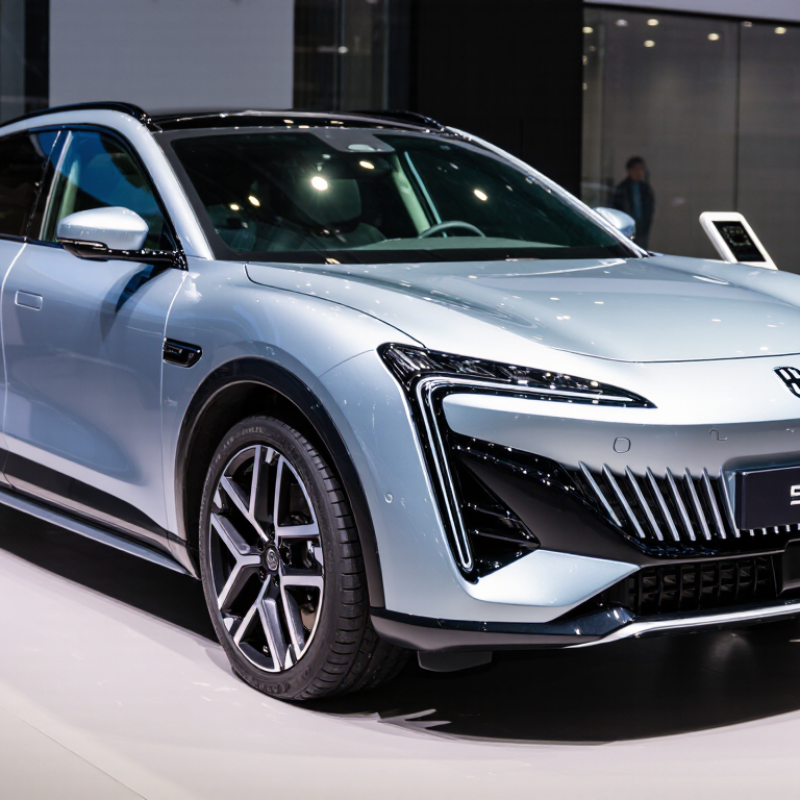
How to Buy MG ES5 Electric SUV for Global Buyers?

MG ES5 Electric SUV Overview and Key Specifications

The MG ES5 is a compact electric SUV designed for practical daily travel. It uses a rear-mounted electric motor producing about 125 kW and 250 Nm of torque. Battery options are commonly listed at 49.1 kWh and 62.2 kWh. Claimed CLTC ranges reach approximately 425 or 525 kilometres, depending on configuration. These figures are laboratory results. Real-world range may fall noticeably in cold weather, at motorway speeds, or with heavy air-conditioning.

The cabin offers a useful family layout, while its 2,730-millimetre wheelbase should provide reasonable rear-seat space. Buyers should check charging compatibility before importing it. Connector type, onboard charger capacity, software language, and local service support can differ between markets. The International Energy Agency reported that global electric-car sales exceeded 17 million in 2024, showing stronger demand but also increasing competition. Range and after-sales support now matter as much as price.

Tips: Request the battery warranty in writing. Confirm whether the quoted range uses CLTC, WLTP, or another test cycle. Ask for independent safety-test results, not only promotional claims. A vehicle can look affordable before shipping, taxes, registration, and charger installation. That calculation is easy to underestimate. For long-term ownership, check battery diagnostics, replacement-part availability, and repair training in your country. According to BloombergNEF’s 2024 battery survey, lithium-ion pack prices continued falling, but local repair access remains a practical ownership concern.

Electric SUV Overview: Dimensions at a Glance

The chart shows the published exterior dimensions of a compact electric SUV: 4,476 mm long, 1,849 mm wide, 1,621 mm high, with a 2,730 mm wheelbase. Actual equipment, battery capacity, driving range, and specifications may vary by market and trim level.

Global Market Availability and Buyer Eligibility

Global availability for this electric SUV depends on approved sales territories, local certification, and supply allocation. A vehicle listed online may not be legally sold in your country. Check the manufacturer’s official regional website or an authorized distributor before paying a deposit. Confirm the exact model year, battery size, driving position, charging connector, and software language. Small differences can affect registration and daily use.

Buyer eligibility also varies by location. Private buyers usually need valid identification, proof of address, and local tax documents. Companies may need business registration and an authorized signatory. Importers should verify customs duties, safety approval, emissions classification, and required inspection procedures. Some markets restrict personal imports, even when the vehicle meets international safety standards. Rules change.

Ask for written confirmation. It matters. Request the vehicle identification number, delivery estimate, warranty coverage, and service locations. Check whether roadside assistance works across borders. A lower overseas price may exclude transport, taxes, inspection fees, or charging equipment. I would also test the car locally, if possible, because suspension tuning and charging performance may feel different in another climate. Online specifications are useful, but they are not always complete. That is where buyers can make expensive assumptions.

How to Choose the Right MG ES5 Configuration

How to Choose the Right Electric SUV Configuration

Choosing the right electric SUV configuration starts with your daily route, not the longest advertised range. The International Energy Agency reported over 17 million electric cars sold globally in 2024. That growth brings more choices, but specifications still vary by market.

For city driving, a smaller battery may reduce price and weight. A larger battery suits rural routes, cold climates, and limited charging access. Check usable battery capacity, not only the headline figure. The WLTP range can exceed real winter results by a wide margin. Independent testing from Green NCAP shows that temperature, speed, and heating can significantly affect consumption. Plan for less.

Charging hardware deserves close attention. Confirm the vehicle’s maximum AC input and DC charging curve. A 11 kW onboard charger helps owners with three-phase home charging. Fast charging above 100 kW can shorten motorway stops, but only when the battery is warm. A heat pump may improve winter efficiency, although its benefit depends on climate. Small details matter.

Safety equipment should match local roads and family needs. Review independent crash-test results, child-seat compatibility, blind-spot monitoring, and emergency braking performance. The European New Car Assessment Programme assesses these areas through repeatable tests. Still, laboratory ratings cannot replace a careful test drive. I would also inspect the rear visibility and seat comfort personally. Online specifications sometimes look complete, yet omit towing limits, ground clearance, or warranty conditions. Compare those details before choosing the final configuration.

Import Costs, Taxes, and Required Documentation

How to Buy an Electric SUV for Global Buyers

Importing an electric SUV requires more than comparing showroom prices. The real cost includes freight, marine insurance, customs duties, value-added tax, port fees, and local registration. Customs authorities may calculate taxes from the vehicle price, shipping cost, and insurance combined. Some countries also apply special tariffs to electric vehicles or imported batteries. Regulations change frequently, so check official customs and transport websites before paying a deposit. A licensed customs broker can confirm the correct tariff code and estimate your landed cost. Do not assume a low online price is the final cost.

Tips: Request a commercial invoice, packing list, bill of lading, and certificate of origin. Ask for the vehicle identification number and battery specifications. Confirm whether your country requires a conformity certificate, safety inspection, charging-plug approval, or emissions exemption. Keep every payment record. Digital copies help, but some offices still require stamped originals.

Review the purchase contract carefully. It should identify the seller, vehicle condition, delivery term, warranty limits, and responsibility for damaged cargo. Confirm whether duties are prepaid or collected at arrival. A customs value that looks incomplete can trigger delays or reassessment. My own cost worksheet would still include a ten percent reserve for storage, exchange-rate changes, and unexpected inspection fees. That is not perfect. It is safer than trusting a single quotation. Check insurance coverage for battery damage, transport delays, and theft before shipment.

Ordering, Shipping, Delivery, and After-Sales Support

Buying an electric SUV from overseas requires more than comparing the advertised price. Ask the seller for the exact vehicle specification, battery size, charging standard, warranty terms, and production date. Confirm whether the vehicle is new, used, or refurbished. Request a pro forma invoice showing the vehicle price, shipping cost, insurance, port fees, and local taxes. Small omissions can become expensive.

Choose shipping based on your destination and timing. Roll-on/roll-off transport may cost less, while container shipping offers better protection for personal accessories. Check the export documents before payment, including the commercial invoice, packing list, certificate of origin, and vehicle identification details. Your country may require right-hand or left-hand-drive compliance, safety certification, customs clearance, and battery transport approval. Requirements differ widely. Verify them with your customs authority and an independent import agent.

Delivery should include inspection photos, tracking information, and a written handover record. Photograph the exterior, wheels, dashboard, charging cable, and battery warning lights immediately. After-sales support needs special attention. Confirm who handles software updates, replacement parts, remote diagnosis, and roadside assistance. Ask how long common parts usually take to arrive. A distant service center may sound acceptable, but delays can affect daily travel. Keep every invoice and message. One weakness in many international purchases is unclear responsibility after arrival. Put promises in writing before sending funds.

FAQS

What type of vehicle is this?

It is a compact electric SUV designed for practical daily travel. The rear-mounted motor produces about 125 kW and 250 Nm. It offers a useful family cabin. Not luxurious.

What battery and range options are available?

Common battery sizes are 49.1 kWh and 62.2 kWh. Claimed CLTC ranges are approximately 425 and 525 kilometres. Actual range may decrease in cold weather, at motorway speeds, or with heavy air-conditioning. Test figures are not promises.

How much rear-seat space can buyers expect?

The 2,730-millimetre wheelbase should provide reasonable rear-seat room. Families should inspect legroom personally before ordering. A child seat may change the available space. Measure carefully.

What should buyers check about charging?

Confirm the connector type and onboard charger capacity. Check whether the vehicle works with local charging stations. Software language and charging settings may differ between markets. Compatibility problems are easy to overlook.

What documents should be requested before payment?

Request the exact specification, battery size, production date, and warranty terms. Confirm whether the vehicle is new, used, or refurbished. Ask for a pro forma invoice listing shipping, insurance, port fees, and taxes. Small omissions become expensive.

Which shipping details matter?

Export documents may include the commercial invoice, packing list, certificate of origin, and vehicle identification details. Check driving-side rules, safety certification, customs procedures, and battery transport requirements. An independent import agent can review unclear requirements. Do not guess.

How should the vehicle be inspected after delivery?

Photograph the exterior, wheels, dashboard, charging cable, and battery warning lights immediately. Record existing scratches and missing accessories in writing. Request inspection photos, tracking information, and a signed handover record. One missed photo can matter later.

What after-sales support should be confirmed?

Ask who handles software updates, replacement parts, remote diagnosis, and roadside assistance. Confirm typical delivery times for common parts. Request the battery warranty in writing. Keep every invoice and message. Support may be slower than expected.

Conclusion

The MG ES5 electric SUV is a practical option for global buyers seeking a modern battery-powered vehicle with efficient performance, useful driving range, advanced safety features, and a comfortable interior. Before purchasing, buyers should review the vehicle’s battery capacity, charging compatibility, driving range, trim-level equipment, warranty terms, and suitability for local road and climate conditions. Availability may vary by country, so eligibility, registration rules, steering configuration, charging standards, and local compliance requirements should be confirmed in advance.

Choosing the right configuration requires comparing features, total ownership costs, and intended usage. Buyers should also estimate import duties, taxes, port charges, insurance, inspection fees, and registration expenses, while preparing accurate commercial and personal documentation. A reliable purchase process should clearly define the order, payment schedule, production timeline, shipping method, delivery responsibilities, and inspection procedures. After-sales support is equally important, including access to maintenance, replacement parts, software updates, battery servicing, and customer assistance in the destination market.

Charlotte

Charlotte

Charlotte is a seasoned marketing professional with a deep expertise in the company's offerings. Her commitment to excellence shines through in her regular contributions to our professional blog, where she shares insights that not only showcase her knowledge but also highlight the core business and......
Ask New Energy