EV Knowledge Base

Electric Vehicle Insights & News

Discover expert guides, battery diagnostic technical updates, and electric mobility news from New Energy EV.

0%

Buying a BYD Tang L EV from abroad requires more than comparing range figures. Global buyers must examine availability, export eligibility, charging standards, warranty coverage, and local registration rules. The model may differ across markets, so published specifications should never be treated as universal.

Wang Chuanfu, BYD’s founder and chairman, has said, “The first half of the electric-vehicle revolution is electrification; the second half is intelligence.” That view helps frame the BYD Tang L EV as more than a battery-powered SUV. Buyers should inspect its driver-assistance functions, software language options, battery chemistry, and update support. A showroom visit is useful, but a written specification sheet is safer. Ask for the vehicle identification number, battery warranty terms, delivery timetable, and compatible charging equipment.

Look closely at real ownership conditions. Can the vehicle use your home charger? Will a local technician service its high-voltage system? Does the infotainment system support your language and navigation services? These details can matter more than a dramatic acceleration figure.

There are uncertainties. Overseas pricing, trim levels, and after-sales networks may change quickly. Import duties can also alter the final cost. Independent inspection is worthwhile, especially when buying remotely. Confirm every promise through BYD’s official regional distributor or an authorized dealer. Do not rely only on online listings.

This guide explains how to compare suppliers, calculate ownership costs, verify technical data, and reduce avoidable purchasing risks. The right decision may not be the cheapest one. It should be the most supportable in your country.
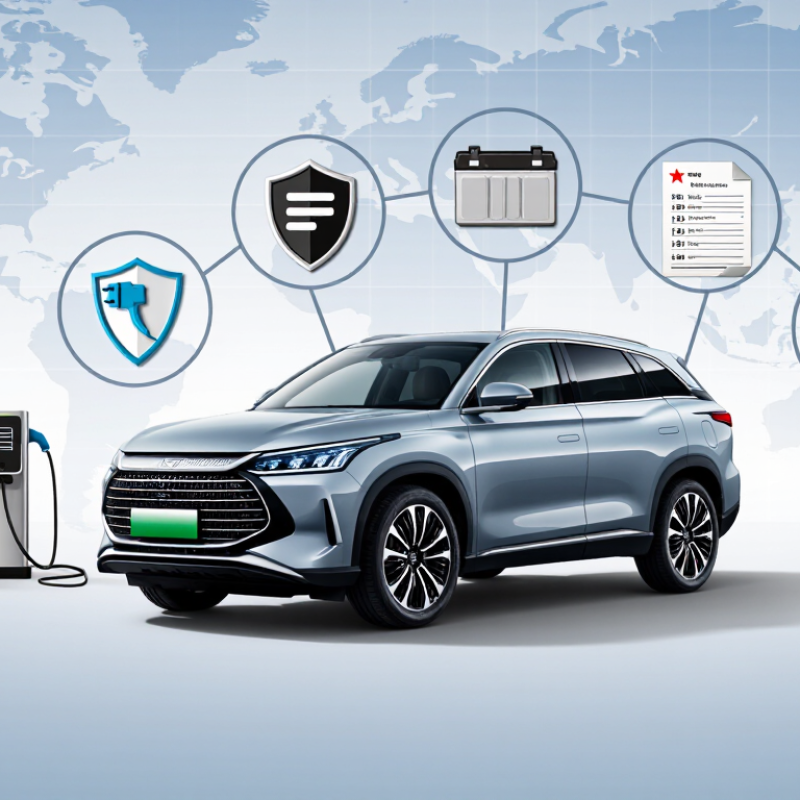
How to Buy BYD Tang L EV for Global Buyers?

BYD Tang L EV: Model Overview and Key Specifications

The Tang L EV is a large electric SUV designed for buyers needing space, strong acceleration, and long-distance comfort. It measures about 5,040 millimeters long, with a 2,950-millimeter wheelbase. That creates useful second-row legroom and a flexible seven-seat cabin.

Its reported battery capacity is approximately 100.5 kWh. Depending on the version, claimed range reaches about 600–670 kilometers under the CLTC test cycle. All-wheel-drive variants may deliver around 700 kW of combined output and accelerate from zero to 100 km/h in roughly four seconds. These figures look impressive, but they are not everyday results. The IEA’s Global EV Outlook 2024 notes that real-world range can fall with cold weather, high speed, heavy loads, and climate use. Charging performance also depends on local infrastructure. Some published specifications differ between markets, so buyers should check the final certificate.

Tips: Confirm battery warranty, charging standards, seat configuration, and software language before payment. Use independent inspection photos. A home charger can matter more than a dramatic acceleration figure. BloombergNEF’s Electric Vehicle Outlook 2024 shows battery prices continuing to decline, yet charging access remains uneven across regions. Check service coverage carefully. This part is easy to underestimate. A long road test with luggage may reveal more than a showroom visit.

Large Electric SUV Model Overview and Key Specifications

The chart presents published exterior dimensions for a large electric SUV model: 5,040 mm overall length, 1,996 mm width, 1,760 mm height, and a 2,950 mm wheelbase.

These dimensions indicate a spacious vehicle class suitable for family use and long-distance travel. Before purchasing internationally, buyers should verify local homologation, charging compatibility, warranty coverage, import duties, and final trim-specific specifications.

Check Regional Availability, Pricing, and Import Eligibility

How to Buy a Large Electric SUV for Global Buyers

Start with regional availability, not a glossy online listing. Check whether the electric SUV has an authorized sales channel in your country. Confirm local type approval, charging compatibility, warranty coverage, and software support. The IEA’s Global EV Outlook 2024 reported nearly 14 million electric cars sold worldwide in 2023. However, market access remains uneven. A vehicle available in one region may lack certification elsewhere. Ask for the vehicle identification number, conformity documents, battery warranty terms, and recall history. Keep copies.

Price needs a landed-cost calculation. Add the vehicle price, inland transport, ocean freight, insurance, customs duty, value-added tax, inspection fees, registration, and possible charger replacement. Exchange rates can change quickly. A low listing price may hide expensive compliance work. Deloitte’s 2024 Global Automotive Consumer Study identified charging access and ownership cost as major electric-vehicle concerns. Check public charging density near your home, not only national averages. A spreadsheet helps, but it can still miss local storage or inspection fees.

Import eligibility depends on the destination authority. Confirm rules for right-hand or left-hand drive, lighting, crash protection, cybersecurity, battery transport, and charging equipment. UNECE vehicle regulations provide an important technical reference, but each market applies its own approval process. Use a licensed customs broker and request written confirmation before paying. Private imports can weaken after-sales support. That risk is easy to underestimate. Prices, eligibility, and delivery times should be verified again immediately before purchase.

Compare Battery Range, Charging, and Driving Requirements

Buying a large electric SUV for global use starts with battery range, not styling. Check the certified range for your exact market and battery version. Real range is usually lower on motorways, in winter, or with a full cabin. Cold weather matters. Plan for less.

For daily driving, compare your weekly distance with home charging access. A 7–11 kW AC wall charger can refill the vehicle overnight. Public DC charging is faster, but results depend on station output, battery temperature, and charge level. Ask for the charging connector used in your country. Also confirm whether the vehicle supports local voltage, payment, and navigation systems. A simple overnight test is revealing: record the battery percentage before and after charging.

Driving requirements deserve equal attention. Measure your garage before buying, including mirror width and turning space. Test the seating position, visibility, and ride comfort on broken roads. If you travel long distances, examine motorway efficiency rather than relying only on laboratory figures. Heavy luggage, roof equipment, and strong heating can reduce range noticeably. Towing needs careful checking because it may require additional equipment and reduce efficiency. Specifications can change between regions, and translated information may be incomplete. Request written details from the seller, then verify them with an authorized local service center. Range estimates are useful, but your route, climate, and charging habits decide ownership comfort.

Choose a Purchase Channel and Verify the Vehicle’s Origin

Global buyers should choose a purchase channel before comparing prices for the Tang L EV. An authorized distributor usually offers clearer invoices, warranty procedures, and export documentation. An established vehicle exporter may provide better pricing, but inspection quality can vary. Social-media brokers deserve extra caution. They may show attractive photos, yet hide storage fees or unclear ownership records.

The International Energy Agency’s Global EV Outlook 2024 reports more than 14 million electric cars were sold worldwide in 2023. China represented nearly 60% of those sales. This growth creates more export opportunities, but also more paperwork risks. Request the vehicle identification number before payment. Match it with the sales invoice, factory build record, registration history, and battery inspection report. Check whether the vehicle is new, used, repaired, or previously registered. A clean dashboard is not proof of a clean history.

Ask the seller for charging specifications, software language, accident records, and port compatibility. Confirm these details with an independent inspection company, not only the seller’s technician. The United Nations Economic Commission for Europe provides widely used vehicle approval frameworks, but approval does not guarantee every destination’s registration acceptance. Import rules differ. I once treated a translated specification sheet as complete evidence; it was not. That small assumption could create expensive delays. Keep every document, photograph, and payment record in one file. Mistakes happen. Verification reduces them.

How to Buy BYD Tang L EV for Global Buyers? - Choose a Purchase Channel and Verify the Vehicle’s Origin
Purchase Channel Best Use Case Documents to Request Origin Verification Method Typical Risk Level Buyer Action
Authorized Local Retailer Buyers who need local registration support, consumer protection, and after-sales service. Commercial invoice, vehicle order, warranty terms, conformity certificate, delivery record, and payment schedule. Match the vehicle identification number (VIN) on the quotation, vehicle, registration documents, and conformity certificate. Lower Confirm that the seller is officially authorized in the destination market and that the vehicle specification matches local regulations.
Licensed Export Dealer Buyers importing a vehicle from another country and arranging international shipping independently or through an agent. Pro forma invoice, export license details, customs declaration, certificate of origin, inspection report, and shipping terms. Check that the exporter, loading country, manufacturing country, and certificate of origin are consistent across all documents. Medium Use a written contract that identifies the vehicle by VIN and clearly states who is responsible for export clearance, freight, insurance, and taxes.
Verified Online Marketplace Buyers comparing prices, stock status, mileage, and vehicle configurations across multiple sellers. Seller registration information, VIN disclosure, current photos, sales invoice, inspection report, and refund conditions. Request a live video showing the VIN plate, odometer, charging port, dashboard, and exterior condition before payment. Higher Pay only through protected methods with traceable records; avoid deposits sent to unrelated personal accounts.
Import Agent or Sourcing Service Buyers who need help with inspection, translation, customs procedures, shipping, and local registration. Agency agreement, service fee schedule, inspection scope, power of attorney, purchase contract, and customs responsibility statement. Require the agent to provide original or verifiable copies of the invoice, export documents, VIN photos, and inspection findings. Medium Separate the vehicle price, agency fee, shipping cost, customs duty, value-added tax, port charges, and registration fees.
Used-Vehicle Auction or Reseller Buyers seeking a lower purchase price and willing to accept used condition or limited warranty coverage. Auction sheet or sales record, ownership history, maintenance records, accident disclosure, battery report, and export documentation. Compare the mileage, first-registration date, service history, body condition, and VIN records for inconsistencies. Higher Arrange an independent pre-purchase inspection and verify that the vehicle has not been written off, heavily repaired, or flood-damaged.
Direct Factory-Order Route Fleet buyers or organizations ordering several vehicles with specific trims, colors, or equipment. Signed sales contract, specification sheet, production confirmation, payment milestones, warranty policy, and delivery schedule. Verify the production identification, exact configuration, manufacturing date, battery specification, and final VIN before shipment. Medium Use milestone payments tied to documented events such as order confirmation, inspection approval, and shipping release.
Local Registration and Compliance Check All global buyers, regardless of the purchase channel. Conformity certificate, technical specifications, lighting details, charging standards, emissions or energy documents, and insurance requirements. Confirm that the vehicle’s market version is eligible for registration in the destination country before making a non-refundable payment. Critical Ask the transport authority or a licensed registration specialist about right-hand or left-hand drive rules, charging compatibility, safety equipment, and type approval.
Battery and High-Voltage Inspection New and used electric vehicles, especially those transported over long distances. Battery warranty terms, battery health report, diagnostic scan, charging test record, and high-voltage system inspection. Match the battery identification and technical specification with the vehicle configuration and confirm that no warning codes are present. Critical Have a qualified technician test charging performance, battery condition, cooling-system integrity, and high-voltage safety before final acceptance.
Shipping and Delivery Verification Vehicles transported by sea, rail, or road across international borders. Bill of lading or transport document, cargo insurance, pre-shipment photos, loading report, customs documents, and delivery checklist. Record the VIN, mileage, vehicle condition, accessories, keys, and visible damage at loading and again at delivery. Medium Do not sign an unconditional delivery acceptance until the vehicle and included documents have been inspected.
Final Payment and Handover All buyers before releasing the remaining balance. Final invoice, ownership or export certificate, keys, warranty booklet, user manual, charging equipment, and signed handover form. Confirm that every document uses the same VIN, legal buyer name, vehicle description, and country of origin. Critical Release the balance only after document consistency, physical inspection, and agreed equipment have been confirmed in writing.

Arrange Payment, Shipping, Registration, and After-Sales Support

Buying a long-range electric SUV overseas requires more than comparing the invoice price. The International Energy Agency reported over 17 million electric car sales worldwide in 2024, exceeding 20% of new-car sales. That growth increases demand, but it also exposes weak purchasing processes.

Use a verified sales contract, matching vehicle identification number, battery specification, delivery term, and warranty scope. Split payment by milestones. Avoid paying the entire amount before inspection.

Shipping needs careful planning.

Request a freight quotation showing ocean charges, insurance, port handling, customs clearance, and inland delivery. The World Bank’s 2023 Logistics Performance Index shows significant differences in customs efficiency between markets. Delays can therefore change the real purchase cost.

Photograph the vehicle, charging cable, dashboard mileage, and sealed documents before loading. A small omission can become an expensive dispute.

Registration is often the hardest step.

Confirm local rules for type approval, charging connectors, safety equipment, emissions classification, and translated documents before shipment. Some authorities may require a conformity certificate or physical inspection.

After-sales support should be written into the contract, including remote diagnosis, spare-parts delivery time, software support, and battery warranty procedures. The IEA notes that public charging infrastructure is expanding rapidly, but coverage remains uneven across regions. Plan a nearby charging solution.

My own caution is simple: attractive pricing can hide unsupported repairs, unavailable parts, or incompatible software. Ask for evidence, not promises.

FAQS

How should I estimate an electric SUV’s real driving range?

Check the certified range for your exact market and battery version. Real range often falls on motorways, in winter, or with passengers. Plan for less.

What home-charging setup suits daily driving?

Compare your weekly distance with home-charging access. A 7–11 kW AC wall charger can usually refill the vehicle overnight. Record the battery percentage before and after charging.

What should I verify before using public fast charging?

Confirm the local charging connector, voltage support, payment system, and navigation compatibility. Charging speed depends on station output, battery temperature, and charge level. Results vary.

How can I check whether the vehicle fits my garage?

Measure the garage entrance, mirror width, parking depth, and turning space. Test visibility and seating before purchase. Measure twice.

Which driving conditions reduce electric range most noticeably?

Heavy luggage, roof equipment, strong heating, winter temperatures, and motorway speeds can reduce range. Test efficiency on your usual routes, not only laboratory figures.

What should I check if I plan to tow?

Confirm the approved towing capacity and required equipment in writing. Towing can reduce efficiency substantially. Check local requirements before fitting anything.

How can I verify a vehicle’s history before payment?

Request the vehicle identification number first. Match it with the invoice, factory record, registration history, and battery inspection report. A clean dashboard proves little.

How can I reduce paperwork and registration problems during an international purchase?

Choose a channel with clear invoices, warranty procedures, and export documents. Ask an independent inspection company to verify the vehicle. Keep documents, photographs, and payment records together. I once trusted a translated specification sheet too quickly. That assumption caused avoidable uncertainty.

Conclusion

Buying a BYD Tang L EV as a global buyer requires careful planning beyond comparing the vehicle’s design and features. Start by reviewing its model specifications, battery capacity, estimated driving range, charging options, safety equipment, dimensions, and performance to determine whether it suits your daily driving conditions. Next, confirm whether the vehicle is available in your region, compare the total purchase price with taxes and delivery costs, and check whether it meets local import, safety, emissions, and registration requirements.

Buyers should also evaluate charging compatibility, road conditions, climate, and access to public or home charging. Select a reliable purchase channel, verify the vehicle’s production origin, documentation, mileage, warranty status, and service history, and avoid unclear transactions. Before completing the purchase, arrange secure payment, international transportation, customs clearance, insurance, registration, and delivery. Finally, confirm the availability of replacement parts, software support, maintenance services, and warranty assistance in the destination country to ensure a smooth and practical ownership experience.

Charlotte

Charlotte

Charlotte is a seasoned marketing professional with a deep expertise in the company's offerings. Her commitment to excellence shines through in her regular contributions to our professional blog, where she shares insights that not only showcase her knowledge but also highlight the core business and......
Ask New Energy