Buying a Nezha X electric car overseas requires more than comparing showroom prices. Global buyers must examine vehicle specifications, export availability, local registration rules, charging standards, and after-sales support. The same model may have different software, safety equipment, or battery configurations across markets. Small details matter, such as the charging connector behind the front flap or the warranty language printed in the sales contract.
Zhang Yong, former CEO of Hozon Auto, said, “The core of Neta is to make high-quality intelligent electric vehicles accessible to everyone.” This principle helps explain the Nezha X electric car’s appeal: practical dimensions, modern driver-assistance features, and a technology-focused cabin. However, accessibility should not be confused with effortless ownership. Buyers need evidence, not promises. Ask the dealer for the vehicle identification number, battery warranty, service schedule, and written delivery terms. Also confirm whether navigation, connected services, and mobile applications work in your country.
This guide outlines a careful purchasing path for international customers. It covers supplier verification, price calculation, shipping, customs documentation, charging compatibility, inspections, and local servicing. Regional rules can change. Check official sources. A low advertised price may exclude freight, taxes, registration, insurance, or software activation. That is easy to miss. Buyers should also consider parts availability and technician training before placing a deposit. No guide removes every uncertainty, and this one cannot replace professional legal, customs, or automotive advice. Still, careful questions can turn an attractive online listing into a more realistic ownership decision.
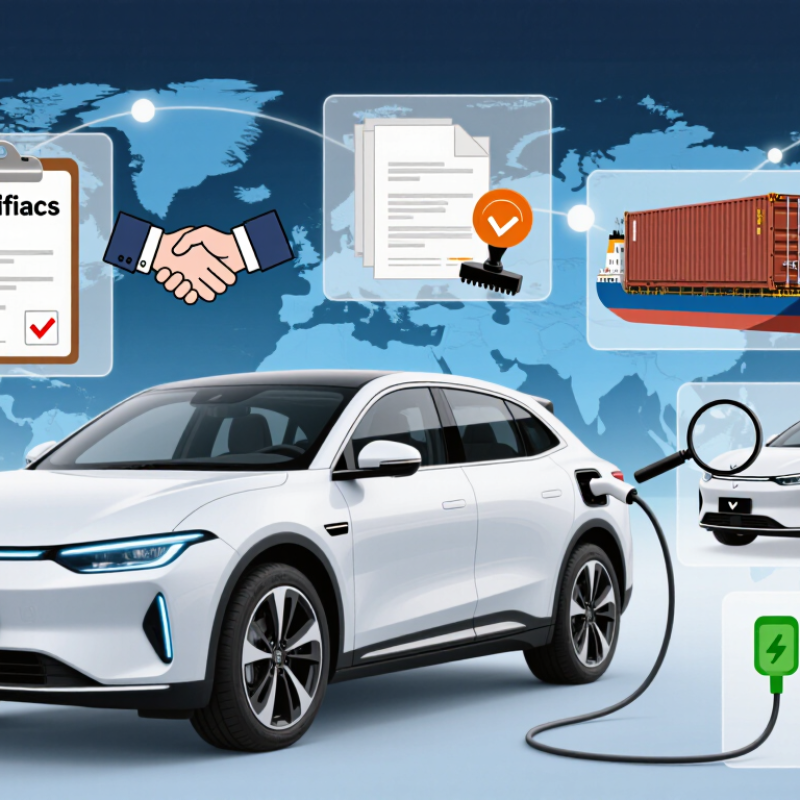
Understand the Nezha X Model, Features, and Available Versions
The X electric car is a compact electric SUV designed for buyers who value cabin space, digital controls, and daily efficiency. Its clean exterior hides a practical interior with a wide central display, connected functions, and useful storage areas. Exact equipment can change by market, so buyers should confirm local specifications before ordering.
Available versions may differ in battery size, driving range, motor output, and charging capability. A larger battery can suit long-distance travel, but it usually increases purchase weight and cost. The smaller version may be more practical for city driving. Check whether the selected model supports local charging standards, navigation languages, software updates, and winter performance. My first test impression would probably be smooth and quiet, although real range can fall noticeably in cold weather or at highway speeds.
Tips: Ask for the full equipment sheet, battery warranty, service terms, and import documents. Compare the charging port with your home charger. Request a vehicle inspection before payment. Check regional safety certification, taxes, insurance, and registration rules through official authorities. Some online listings use unclear version names. That can cause expensive mistakes. Photograph the vehicle, accessories, and odometer at delivery. Keep every invoice and written promise. If after-sales support is distant, this may matter more than a premium screen or faster acceleration.
Compare Prices, Taxes, Shipping Costs, and Ownership Expenses
Buying a Nezha X for overseas use requires more than comparing showroom prices. The advertised export price may exclude insurance, port handling, inland delivery, and customs clearance. RoRo shipping often costs less than container transport, but rates change with sailing schedules, vehicle dimensions, and destination ports. Request a written CIF or DAP quotation. Small wording differences can change the final bill.
Taxes deserve careful checking. Import duty, value-added tax, registration fees, and local environmental charges depend on the destination country. Some markets apply additional duties to electric vehicles from specific manufacturing regions. The International Energy Agency reported more than 17 million electric car sales worldwide in 2024, but tax treatment remains uneven. Ask a licensed customs broker for a landed-cost calculation. My rough spreadsheet once looked convincing, yet it ignored port storage fees.
Ownership costs can be lower, but not automatically. BloombergNEF reported an average global battery-pack price of 115 dollars per kilowatt-hour in 2024. Battery size therefore affects long-term replacement exposure, even when warranties reduce the risk. Add home-charger installation, electricity, insurance, tires, servicing, and software support. The U.S. Department of Energy notes that electric vehicles generally have lower maintenance needs because they use fewer moving parts. Still, repair access may be limited in smaller markets. Compare local labor rates and parts availability before paying a deposit. A cheap purchase can become expensive after one delayed component.
How to Buy a Nezha X Electric Car for Global Buyers? - Compare Prices, Taxes, Shipping Costs, and Ownership Expenses
Indicative cross-border buying model for private buyers. Amounts are shown in USD and are based on a vehicle price of CNY 89,800–124,800, converted at approximately CNY 7.20 per USD. Local registration, inspection, insurance, financing, depreciation, and possible trade remedies may change the final cost.
1. Vehicle and Import Cost Assumptions
2. Estimated Landed Cost by Destination
Calculation basis: Landed-cost ranges include the converted vehicle price, export preparation, ocean freight, marine insurance, and the stated tax assumptions. They exclude dealer margin, destination storage, financing, local registration, number plates, inspection, and any country-specific electric-vehicle surcharge or incentive.
3. Estimated First-Year Ownership Expenses
4. Buyer Due-Diligence Checklist
All figures are planning estimates rather than tax, legal, shipping, insurance, or purchase quotations. Customs authorities, transport providers, inspection agencies, and local registration offices should be consulted for the exact vehicle configuration and destination address.
Complete Payment, Delivery, Registration, and After-Sales Support
How to Buy a Nezha X Electric Car for Global Buyers?
Buying an electric car overseas requires more than comparing prices. Confirm the vehicle specification, battery capacity, charging standard, and destination requirements before paying. Request a formal invoice showing the car price, shipping cost, insurance, taxes, and port fees. Use a traceable payment method and check the seller’s company documents. Never rely on informal promises. Delivery timing can change because of port congestion, customs inspections, or missing paperwork. Ask for the VIN, production date, shipping schedule, and transport insurance. A small detail may prevent a large dispute.
Tips: Keep every document in one folder. Compare the invoice with the purchase contract. Ask who pays customs charges. Confirm whether the vehicle is new, used, or previously registered.
Registration depends on local rules. Authorities may require conformity certificates, translated documents, safety checks, emissions information, and proof of tax payment. Confirm these requirements before shipment, not after arrival. Charging compatibility also deserves attention. A suitable adapter may be necessary, but it should meet local safety standards. I would allow extra time here. My earlier planning was too optimistic, and registration delays affected the delivery schedule.
After-sales support should be written into the agreement. Check warranty duration, battery coverage, roadside assistance, software support, and repair options in your country. Ask whether replacement parts are stocked locally. Clarify who handles transport for warranty repairs. Keep service records and charging reports. Reliable support is easier when responsibilities are clearly documented.
Conclusion
Buying a Nezha X electric car as a global buyer requires careful planning from product research to final delivery. Start by understanding the model’s available versions, battery capacity, driving range, safety equipment, charging system, technology features, and interior options. Next, confirm whether the vehicle can be legally imported and registered in your destination market, including local technical standards, certification procedures, driving requirements, and documentation.
A complete budget should include the vehicle price, currency exchange costs, import duties, taxes, shipping, insurance, inspection, registration, charging equipment, maintenance, and other ownership expenses. Choose an authorized dealer or a reliable importer that can provide transparent specifications, a written purchase agreement, secure payment arrangements, and clear warranty terms. Before accepting delivery, verify the vehicle identification details, condition, included equipment, and required documents. Finally, confirm registration support, charging guidance, spare-parts access, maintenance arrangements, and responsive after-sales service to ensure a smooth and dependable ownership experience.