The 2026 Toyota bZ4X electric vehicle deserves a closer look, but “best” depends on how and where you drive. An electric SUV can feel ideal on a quiet commute, then less convenient when a long trip requires careful charging stops. Small details matter: winter temperatures, passenger space, home charging access, and the distance between public chargers. There is no universal winner.
This guide examines the bZ4X through practical questions rather than a single headline number. How does its estimated driving range fit everyday routines? What should buyers check about charging speed, cabin comfort, cargo room, and available driver-assistance features? Pricing and equipment can vary by trim and market, so confirm current details with Toyota and local dealerships before making a decision. That matters.
A fair comparison also means looking beyond Toyota’s reputation. Other electric SUVs may offer different ranges, charging capabilities, or value, and those differences could outweigh a familiar badge. I would not call the bZ4X the best without knowing a driver’s budget and routine. That is the honest limitation. The sections ahead weigh its likely strengths, possible compromises, ownership considerations, and alternatives, while distinguishing verified specifications from expectations. The goal is not to crown a winner too quickly, but to help readers decide whether this Toyota fits their real lives.
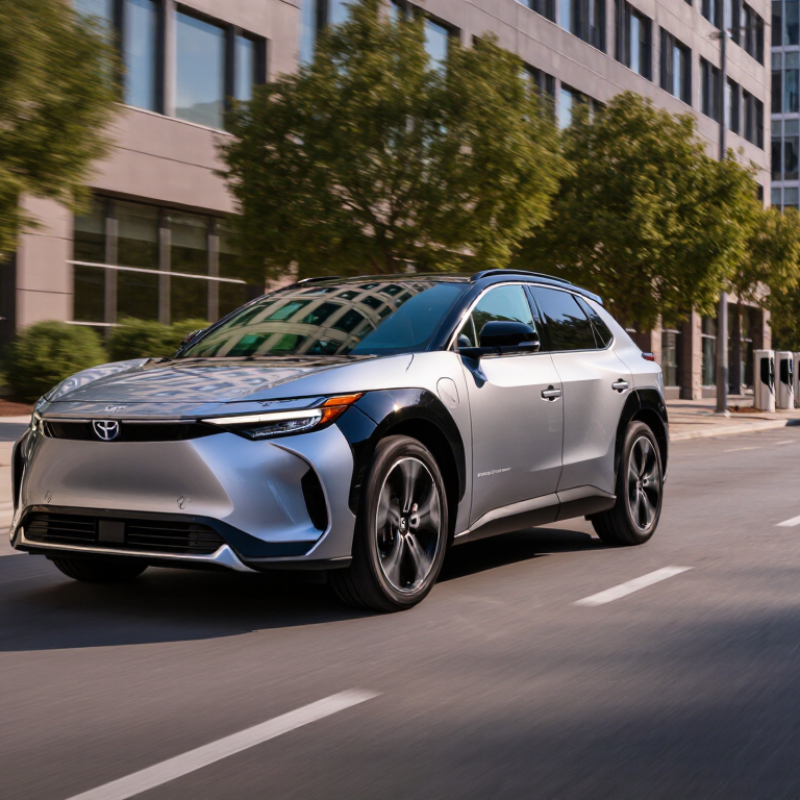
Overview and Market Position of the 2026 Toyota bZ4X
The 2026 bZ4X sits in the practical electric-crossover segment, where everyday comfort can matter as much as headline range. Its raised seating position and useful cabin shape suit school runs, commuting, and grocery stops. Buyers should compare the exact trim and drivetrain, since equipment and driving range can vary. Check the current specification sheet.
That detail matters. Charging speed, cold-weather performance, and access to public chargers may shape ownership more than a polished dashboard does. In this price class, the bZ4X faces rivals offering different balances of range, space, and value. It may appeal to drivers who want a familiar crossover layout without a combustion engine, but it is not automatically the strongest choice for frequent long trips. Real-world range depends on speed, temperature, tires, and climate-control use. A quiet cabin is pleasant; a slow charging stop is less so. I would want to test the seats, visibility, and charging route before deciding. The market position is sensible, though the case becomes less convincing if its final price sits close to better-equipped alternatives.
Is the 2026 Electric Crossover the Best Electric Vehicle? — Overview and Market Position
| Evaluation dimension |
Available information |
Market implication |
| Vehicle category |
Battery-electric crossover; five-passenger layout. |
A practical format for households seeking an EV with passenger and cargo versatility. |
| EPA range reference |
For the 2025 model year, EPA-estimated range was up to 252 miles for a front-wheel-drive configuration and up to 222 miles for an all-wheel-drive configuration. These are prior-model-year figures, not confirmed 2026 ratings. |
Useful as historical context, but buyers should check the final 2026 EPA label and exact configuration before comparing range. |
| DC fast charging |
Prior-model-year specifications listed a maximum DC charging rate of up to 150 kW. Actual charging speed varies with battery temperature, state of charge, and charger capability. |
Peak power alone does not determine road-trip convenience; a charging curve and real-world stop times matter too. |
| Home charging |
A 240-volt Level 2 home charger is a common setup for overnight EV charging. Charging time depends on the vehicle’s onboard charger and the circuit’s power output. |
Convenient for drivers with reliable off-street parking and access to home charging; less convenient for those who depend entirely on public chargers. |
| Efficiency comparison |
The EPA uses 33.7 kWh as the energy equivalent of one gallon of gasoline when calculating MPGe. |
Compare EPA MPGe alongside range: efficiency affects energy use, while range affects how often charging stops are needed. |
| Potential strengths |
Crossover practicality, electric driving, and available all-wheel drive in the prior model year. |
Could suit buyers who prioritize everyday utility and electric operation over maximum range or fastest charging. |
| Key uncertainties for 2026 |
Final EPA range, pricing, equipment, charging performance, and regional availability should be verified for the specific 2026 version. |
Do not treat prior-year specifications as confirmed 2026 data when making a purchase decision. |
| Overall verdict |
A potential mainstream electric-crossover choice; the available information is not enough to establish it as the best EV overall. |
Best for a buyer whose priorities match its verified 2026 range, price, charging access, and equipment—not for every EV shopper. |
Note: Prior-model-year specifications are included only as historical reference. Confirm current-year figures with official EPA and vehicle documentation.
Design, Platform, and Available Configurations
The 2026 electric crossover pairs a sharply creased exterior with a cabin designed around everyday use. Its high nose, dark wheel-arch trim, and narrow lighting give it a rugged look, though the styling may feel busy from some angles. Inside, the raised center console creates a useful place for small items, while the broad dashboard keeps the main controls in view. Check the seating position in person: the instrument display sits high, and some drivers may need time to adjust their posture.
A dedicated electric platform places the battery beneath the floor. This helps keep the center of gravity low and leaves a flat cabin floor, with no large transmission tunnel between the front seats. The layout also supports a roomy feel for passengers, but the sloping roofline can limit headroom for taller adults in the back. Small details matter here. Bring a child seat or bulky bag when you test the space.
Available configurations can vary by market and equipment level. Buyers may find front-wheel drive for simpler daily driving, or a dual-motor all-wheel-drive version for added traction. Battery capacity, charging equipment, and comfort features may differ across trims, so compare the exact local specification rather than relying on a general brochure. More power is appealing, but it can add cost and may not suit every commute. That trade-off deserves a careful look.
Electric Vehicle Design: Platform and Footprint
Reference exterior dimensions for a current-generation electric SUV (inches)
A 112.2-inch wheelbase within a 184.6-inch overall length offers a useful reference for evaluating cabin packaging. Dimensions describe the vehicle’s exterior footprint; specifications may vary by model year and configuration.
Electric Range, Performance, and Charging Capabilities
The 2026 electric crossover is easiest to judge by how it fits an ordinary week. Published range figures can vary by trim, wheels, temperature, and testing method, so compare the exact configuration you plan to buy. Cold mornings, highway speeds, and cabin heating can all reduce real-world distance. That matters. A comfortable buffer between your daily mileage and available range makes errands less stressful, especially when public chargers are sparse.
Performance is more than a quick launch. Smooth acceleration can make merging feel easy, while predictable steering and regenerative braking matter in stop-and-go traffic. A test drive should include a rough street, a short highway stretch, and a parking maneuver. Notice whether the brake pedal feels natural as regenerative braking slows the vehicle. Small details count. I would not assume the sportiest setting is the most useful one; it may simply use more energy.
Charging deserves the same scrutiny as range. Check the vehicle’s maximum DC charging rate, connector compatibility, and estimated charging time for the specific trim. Peak rates do not tell the whole story: battery temperature, charger output, and the charging curve affect time at a station. Home charging can cover routine use, but installation costs and overnight charging speed vary. The honest answer is conditional: this model may suit drivers with predictable trips and reliable charging, but frequent long-distance travel calls for careful route planning.
Interior Technology, Safety, and Driver Assistance
For a 2026 electric SUV, cabin technology matters most when it stays clear under pressure. Check whether the central display responds quickly, whether key controls are easy to reach, and whether navigation instructions remain readable in bright daylight. A polished demo can hide awkward menus. Try common tasks while parked, such as adjusting climate settings or changing a route.
The J.D. Power 2024 U.S. Tech Experience Index Study recorded 192 problems per 100 vehicles across its study, with infotainment among the most troublesome categories. That is a useful industry benchmark, not a rating of this specific SUV.
Safety assistance deserves the same scrutiny. The Insurance Institute for Highway Safety evaluated 14 partial-automation systems in 2024; only one earned an acceptable rating, while 11 were rated poor.
Driver attention still matters. Check how alerts sound, how clearly the vehicle explains its limits, and whether assistance disengages predictably. I would want to test these behaviors on a real drive, not just read a feature list. Small details matter. A warning that appears late, or a menu that takes too many taps, can make advanced technology feel less helpful.
Pricing, Competitors, and Practical Ownership Considerations
Sticker price is only part of the comparison. Cox Automotive’s December 2024 report placed the average U.S. electric-vehicle transaction price at $55,544. That is a market benchmark, not a confirmed price for this 2026 crossover. Compare the actual trim, delivery fees, and incentives available where you live. A lower-priced rival may offer less range or slower charging; a more expensive one may bring useful winter range or a roomier rear seat. Check the details, not just the headline figure.
Ownership depends heavily on charging access. A home charger can make daily use feel simple; relying on public stations may mean planning around queues and broken equipment. Cold weather, highway speeds, and cabin heating can also reduce real-world range. A short test drive will not reveal everything. Cox’s price average is useful, but it blends many vehicle types, so it cannot predict this model’s resale value or monthly cost. Get an insurance quote and estimate electricity costs before choosing.
Tips: Ask a dealer for the out-the-door price, then compare it with two similar electric crossovers. Test the rear seat with your usual passengers, and check whether a charger can reach your parking spot. Home charging helps.
Conclusion
The 2026 Toyota bZ4X electric vehicle aims to serve drivers seeking an all-electric SUV for everyday travel. Its design, dedicated platform, and range of configurations shape its appeal, while its overall position depends on how well its features meet different needs and budgets. Range, performance, and charging capability are central considerations for shoppers comparing an electric vehicle with their routines, including commuting, longer journeys, and access to charging.
Inside, the bZ4X brings together cabin technology, safety features, and driver-assistance systems intended to support comfort and confidence. Pricing, competing options, and practical ownership factors also matter: buyers may want to weigh purchase cost, charging convenience, available space, and expected daily use. Rather than being the best choice for everyone, the 2026 bZ4X’s value comes down to whether its configuration and capabilities match an individual driver’s priorities.