Navigating Global Imported Electric Vehicle Sales: The Strategic Procurement & Technical Compliance Handbook for International Buyers
An expert operational guide to sourcing zero-emission fleets, mitigating regulatory tariffs, executing GB/T to CCS2 charging protocol conversions, and diagnosing high-voltage lithium battery health for cross-border EV distribution.
1. The Architecture of Modern Imported Electric Vehicle Sales
The global automotive trade is undergoing a structural transition. As regional regulatory mandates accelerate decarbonization goals, automotive distributors, municipal transit operators, and private fleet procurement managers are turning away from traditional internal combustion engine (ICE) supply lines to seek high-capacity imported electric vehicle sales channels. Sourcing electric vehicles across international borders—specifically from high-volume production hubs in China, Germany, and Japan—requires navigating a multi-layered ecosystem of battery technology standards, software integration, local customs duty, and charging protocol compatibility.
International procurement is no longer a simple transactional purchase. Modern electric vehicles (BEVs, PHEVs, and EREVs) are essentially battery-energy storage units integrated with advanced telemetry, motor-drive inverters, and high-voltage power distribution units (PDUs). To achieve long-term profit margins and vehicle uptime, international buyers must establish rigorous quality assurance mechanisms at the point of origin, verify battery thermal management efficiency, and plan for post-import technical maintenance before shipping contract execution.
Key Takeaway for B2B Procurement Officers:
Global imported electric vehicle sales success relies on three critical factors: direct manufacturer origin auditing, seamless protocol conversion (such as converting Chinese GB/T standards to European CCS Combo 2 / Type 2 standards), and long-term after-sales spare parts support. Partnering with a specialized importer prevents technical obsolescence and operational delays.
2. Strategic Recommendations for High-Demand Imported EV Models
When selecting electric models for wholesale import or dealership distribution, purchasing managers must balance initial capital expenditure with battery degradation curves, charging speed metrics, and regional climate resilience. Below is an engineering and commercial evaluation of key vehicle platforms leading global imported electric vehicle sales in 2025.
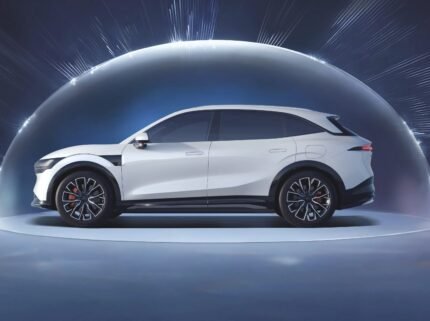
Zeekr 7X Electric SUV
Built on Geely's SEA (Sustainable Experience Architecture) 800V silicon carbide high-voltage platform. Offers rapid DC fast charging (10% to 80% in 10.5 minutes) and exceptional thermal stability in warm climates.
| System Voltage | 800V Architecture |
| Max Drive Output | 475 kW (637 HP) |
| Max NEDC Range | 780 km |
| Export Compliance | EU/MENA Convertible |
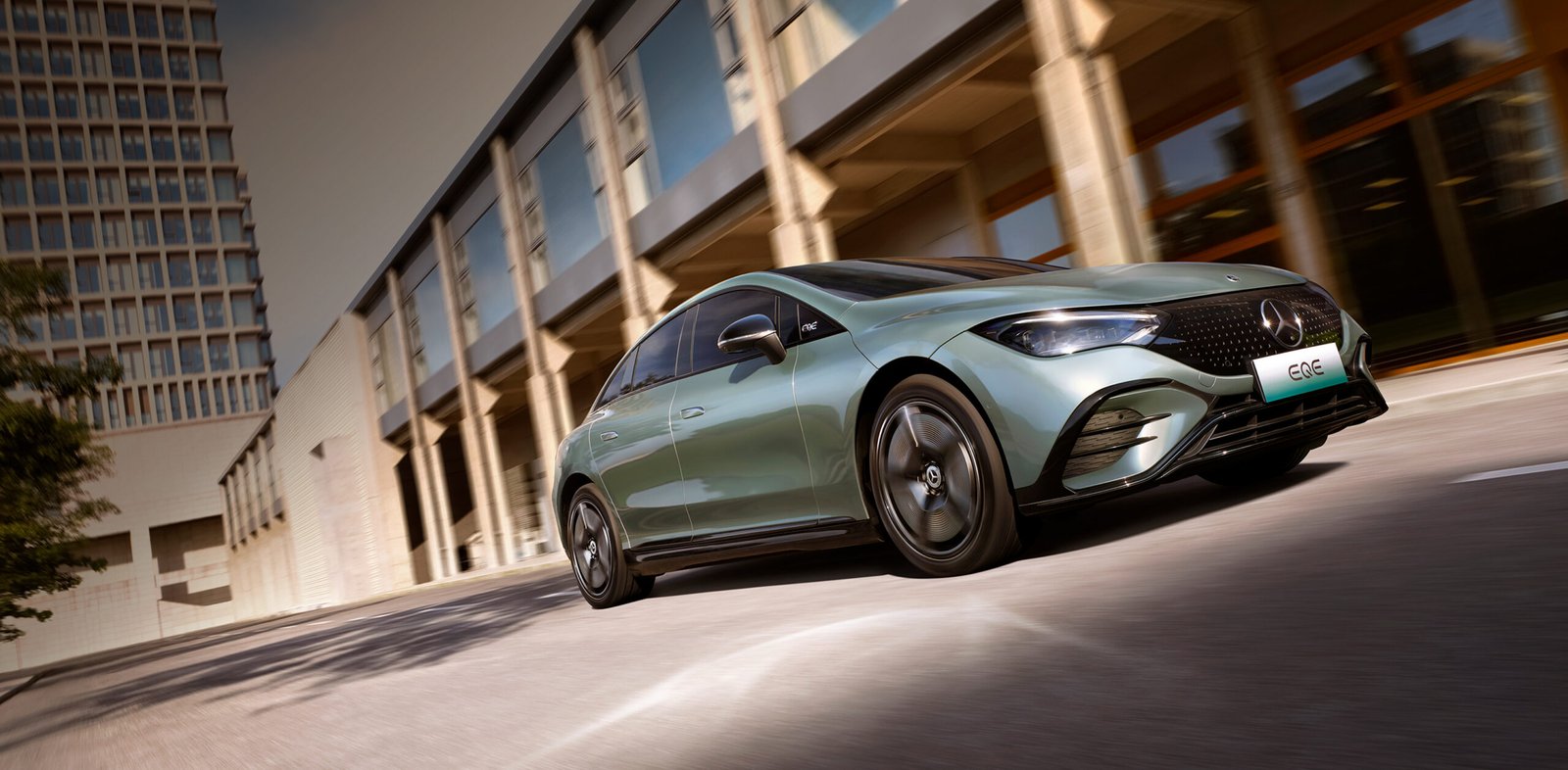
Mercedes-Benz EQE
Combines European aerodynamic design (Cd 0.22) with advanced battery software management. A top choice for luxury fleet operators, corporate shuttle services, and premium auto dealerships.
| Battery Capacity | 96.1 kWh Lithium-Ion |
| Peak Motor Power | 300 kW (400 HP) |
| NEDC Range | 681 km |
| Top Speed | 200 km/h |
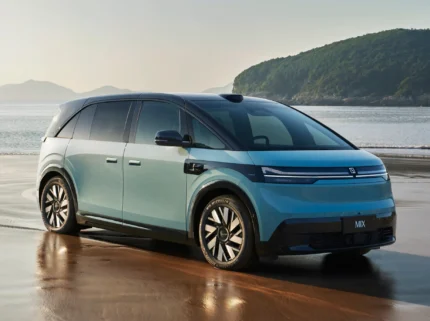
Zeekr Mix Electric MPV
Featuring a pillarless interior door architecture and swivel seating layout, the Zeekr Mix caters to executive transport, high-end VIP shuttles, and tech-focused fleet fleets requiring versatile cabin utility.
| Platform | SEA-M Modular |
| Drive Config | Single/Dual Motor |
| Interior Versatility | 270° Swivel Seats |
| Market Position | Luxury Commercial MPV |
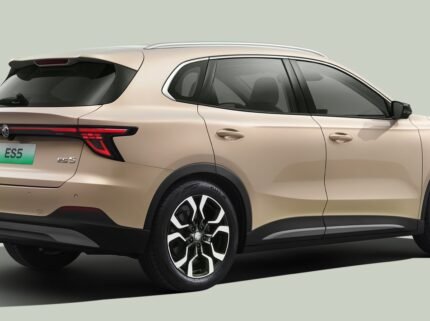
MG ES5 Electric SUV
Designed on SAIC's modular pure electric architecture. Features rear-wheel drive, five-link rear independent suspension, and high-energy-density LFP cell technology optimized for commercial ride-hailing.
| Battery Chemistry | LFP Cell Pack |
| Range Options | 425 km - 525 km |
| Rear Suspension | 5-Link Independent |
| Wholesale Utility | High-Volume Taxi/Rental |
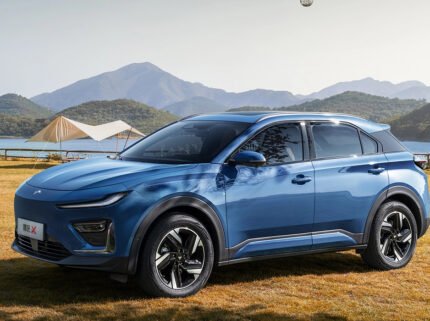
Nezha X Crossover
An accessible price point coupled with an 81.5% soft-touch cabin wrap and Qualcomm Snapdragon 8155 cockpit processor, making it a reliable solution for cost-conscious consumer auto markets.
| Cockpit Chipset | Qualcomm 8155 |
| Body Length | 4619 mm Compact SUV |
| Safety Rating | 5-Star Structural Frame |
| Procurement Cost | Low CAPEX High ROI |
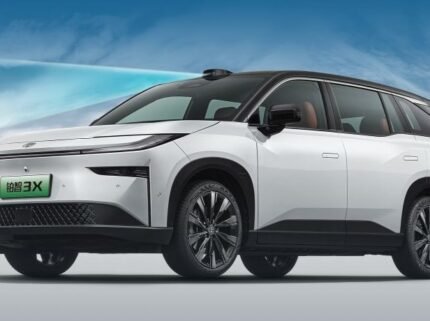
Toyota bZ3X Crossover
Co-developed under joint venture engineering to combine Toyota's rigorous Quality Control, Durability, and Reliability (QDR) standards with Chinese battery technology and smart driver assist suites.
| ADAS Platform | Momenta 5.0 Urban ADAS |
| LiDAR System | 126-Line Front Sensor |
| Drive Architecture | e-TNGA Dedicated EV |
| Warranty Grade | Commercial Fleet Rated |
3. Global Sourcing & Procurement Trends (2025–2030)
As the international vehicle export ecosystem matures, supply chain purchasing strategies are evolving rapidly. Procurement managers must adapt to several macroeconomic and technical shifts:
A. Shift from 400V to 800V High-Voltage Silicon Carbide (SiC) Platforms
The standard baseline for imported electric vehicle sales is transitioning from conventional 400V architectures to 800V SiC systems. 800V platforms reduce cable copper mass, decrease resistive heat losses during high-current fast charging, and allow commercial fleets to minimize charging downtime. Vehicles configured with 800V technology achieve up to 300+ km of added range within a 10-to-15 minute charging window, directly expanding overall fleet productivity.
B. Battery Chemistry Diversification: LFP, LMFP, and Solid-State Horizons
While Nickel-Manganese-Cobalt (NMC) chemistries dominated early premium EV imports, Lithium Iron Phosphate (LFP) and Lithium Manganese Iron Phosphate (LMFP) cells now lead commercial sales due to lower thermal runaway risks and superior cycle counts (often exceeding 3,000 to 5,000 full charge-discharge cycles). Importers serving regions with high ambient temperatures—such as North Africa, the Middle East, and Latin America—increasingly prefer LFP and LMFP chemistry packs due to their enhanced structural degradation resilience under hot conditions.
C. Digital Twin Battery Telemetry & Remote Diagnostics
Modern cross-border importers demand real-time transparency regarding battery State of Health (SoH). Utilizing cloud-based Battery Management System (BMS) telemetry, buyers can analyze cell voltage balance, thermal gradients, and charging history before vehicle loading at ports of origin. This data-driven approach protects buyers from purchasing degraded inventory and simplifies pre-shipment inspections.
4. Key Technical & Technological Trends in Imported EVs
Understanding the underlying technological features of modern EVs is essential for accurate vehicle valuation and fleet integration. The table below highlights key technological shifts driving international trade decisions:
| Technological Domain | Legacy EV Standard (2018–2021) | Modern Imported EV Standard (2025+) | Impact on B2B Importers |
|---|---|---|---|
| Charging Architecture | 400V Silicon MOSFET Drivetrain | 800V High-Voltage SiC (Silicon Carbide) | 70% faster DC charging times; reduced heat dissipation; lower warranty risk. |
| Vehicle Software (EEA) | Distributed ECU Wiring Modules | Centralized Domain Controller (Zonal EEA) | Over-The-Air (OTA) technical updates; simplified electrical harness repair. |
| Thermal Management | Separate Air/Liquid Cooling Loops | Integrated Heat Pump with Waste-Heat Recovery | 25–35% energy efficiency recovery in extreme winter and summer conditions. |
| Port Standard | Region-Locked Native Port (GB/T or Type 1) | Factory Dual-Port or Certified Conversion Protocols | Seamless deployment into CCS1, CCS2, or CHAdeMO local charging networks. |
Automotive distributors must verify that imported inventory complies with local charging infrastructure standards. Vehicles manufactured for domestic Chinese markets utilize GB/T direct-current fast-charging ports. Importing these vehicles into markets operating under European (CCS Combo 2 / Type 2) or North American (CCS1 / NACS) standards requires factory-grade protocol conversion. This involves re-flashing control software, updating physical charging port hardware, and validating communication protocols between the off-board charger and on-board BMS via ISO 15118 / DIN 70121 standards.
5. Institutional Competence: Why New Energy EV Leads the Industry
Successful cross-border automotive trading requires technical expertise and on-the-ground support. Founded in 2021, New Energy EV operates as an integrated importer, service provider, and conversion authority headquartered in Egypt, serving international automotive networks across the Middle East and Africa.
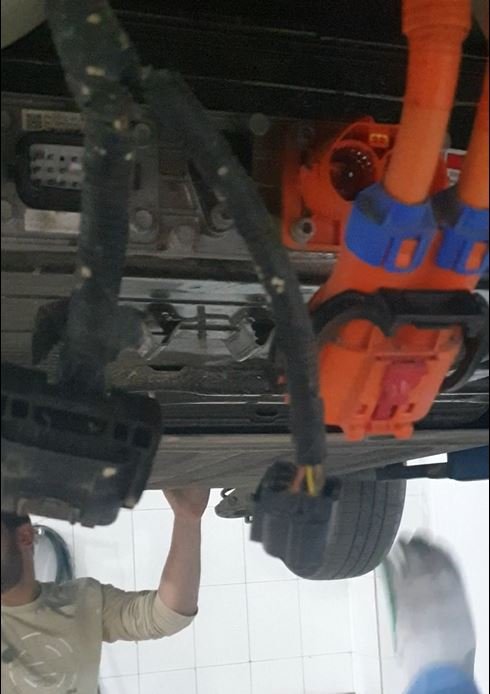
Direct Origin Verification & Dedicated Service Facilities
Unlike conventional freight brokers, New Energy EV maintains direct engineering representatives in key sourcing origins (including China, Europe, and Japan). Every electric vehicle undergoes a 120-point diagnostic inspection prior to export, including high-voltage insulation tests, paint finish analysis, mechanical alignment checks, and battery cell health evaluation.
Our operational capabilities include:
- Flagship Showroom: Located at Ring Mall, Autostrad with Ring Road, Maadi, Cairo, displaying current luxury and mass-market EV inventory.
- Technical Engineering Hub: Spanning 15 May City (Egypt First Industry Area, B11/89), fully equipped with specialized lithium battery diagnostic suites and hardware programming tools.
- Protocol Conversion Experts: Certified software conversion from Chinese GB/T to European CCS2 / Type 2 protocols with full diagnostic scanner support.
6. Frequently Asked Questions by Global EV Importers
Below are clear, technical answers to common queries raised by international buyers, procurement officers, and automotive business operators when evaluating imported electric vehicle sales.
Resolving port mismatches requires a two-step approach depending on your fleet requirements:
- Hardware & ECU Conversion: Our engineering workshop in Cairo replaces the physical GB/T charging inlet with an original equipment manufacturer (OEM) grade CCS2 Combo socket. We then integrate a signal translation module that converts CAN-bus communication signals between the European charger (PLC protocol per ISO 15118) and the Chinese vehicle control unit (CAN protocol per GB/T 27930).
- Certified Fast-Charging Adapters: For lower-volume imports, we supply heavy-duty, temperature-monitored GB/T to CCS2 DC adapters rated for up to 250kW / 300A, featuring built-in over-temperature cutoff circuitry to protect the vehicle's battery.
Lithium-ion batteries experience minimal capacity loss during maritime transport when managed correctly. We apply strict export logistics protocols:
- State of Charge (SoC) Optimization: Vehicles are set to a 40% to 50% SoC prior to container loading or Ro-Ro (Roll-on/Roll-off) shipping, minimizing chemical stress on the cathode and anode structures.
- 12V Auxiliary Battery Disconnection: The secondary 12V lead-acid or Li-ion auxiliary battery is isolated via a battery management disconnect switch to prevent parasitic drain during 30-to-45 day sea transits.
- Post-Arrival Diagnostics: Upon dock discharge, vehicles undergo high-voltage diagnostic scanning to verify battery pack sealing, insulation resistance, and cell balance before delivery.
Managing warranties for parallel or direct imported vehicles requires a dedicated supply chain framework. New Energy EV addresses this by providing B2B buyers with direct access to OEM components—including inverter modules, high-voltage contactors, body panels, steering racks, and windshields. We supply complete diagnostic hardware suites and software licenses, allowing regional technicians to read fault codes, recalibrate ADAS systems, and perform safe high-voltage maintenance locally.
Standard documentation required for international EV clearing includes the original Certificate of Origin (COO), Commercial Invoice, Detailed Packing List, Bill of Lading (B/L), UN 38.3 Transport Testing Safety Certificate for Lithium Batteries, and regional compliance documentation (such as E-Mark, GCC, or local standardization approvals). Our trade compliance team assists clients in preparing and verifying these documents prior to vessel departure.
Imported electric vehicles offer substantial total cost of ownership (TCO) advantages for commercial operations. Fleet managers typically achieve 60% to 75% savings on per-kilometer fuel costs compared to petrol or diesel vehicles, along with a 40% reduction in routine maintenance expenses due to fewer moving parts (eliminating engine oil, spark plugs, timing belts, and complex exhaust treatments). Additionally, importing modern EVs allows fleet operators to meet carbon reduction mandates and position their business as an environmental leader.
Accelerate Your Imported Electric Vehicle Procurement
Partner with Egypt's leading electric vehicle importation specialist. Access vetted wholesale inventory, custom charging protocol conversions, full spare parts backing, and verified vehicle transit management.